 Published:
Apr 6th 2021
by
Published:
Apr 6th 2021
by  Nutritionally reviewed by
 Last updated: Mar 5th 2026

Bake and Shark is a beloved street food from Trinidad and Tobago, featuring crispy fried bread enveloping tender fish. This dish combines the rich flavors of marinated shark with a variety of fresh toppings, making it a delightful choice for any meal or snack. Perfect for enjoying at the beach or at home, this recipe captures the essence of Caribbean cuisine in every bite.
We collaborate with brands through sponsored recipes, editorial features, and video collaborations. If your brand wants to reach a health-focused audience, we’d love to explore how we can work together.
Explore brand collaborationsThis Bake and Shark recipe brings the vibrant flavors of Trinidad right to your kitchen. With its crispy fried bread and tender fish, it's not only easy to prepare but also versatile enough to customize with your favorite toppings. Plus, leftovers can be stored and reheated, making it a convenient option for any meal.
Key nutrients
- Protein: from shark or fish — Supports muscle maintenance and helps keep you full.
- Omega-3 fatty acids: from shark or fish — May support heart and brain health.
- Fiber: from vegetables like lettuce, tomatoes, and cabbage — Aids digestion and promotes fullness.
- Vitamin C: from lime/lemon and fresh toppings — Supports immune function and iron absorption.
- B vitamins: from flour and fish — Help with energy production and metabolism.
- Antioxidants: from herbs (culantro, chive, thyme) and pimento pepper — May help protect cells from damage.
Why it matters
- Balanced meals with protein, fiber, and healthy fats can help sustain energy.
- Fresh herbs and vegetables add flavor and micronutrients without extra calories.
- Including a variety of toppings increases the nutrient diversity of the meal.
Balance & portion
Aim for a balanced plate (vegetables, protein, smart carbs). Choose portions that fit your needs.
What to watch
- Frying oil — Deep frying increases total fat content; use in moderation for heart health.
- Sodium — Added salt and sauces can raise sodium levels; consider portion size if limiting salt.
- Added sugars — Some sauces (like ketchup or chutney) may contain added sugars.
Make it even better
- Bake or air-fry the fish and bread to reduce added fat from deep-frying.
- Add extra fresh vegetables for more fiber, vitamins, and crunch.
- Use herbs and citrus juice to boost flavor instead of extra salt or sauces.
- Choose whole-grain flour for the bake to increase fiber content.
General nutrition information only; verify labels and consult a healthcare professional for personal advice.
References
- CDC — Nutrition - For general nutrient roles and healthy eating patterns
- FDA — Omega-3 Fatty Acids in Fish - For information on omega-3s in fish
- Harvard T.H. Chan School of Public Health — Salt and Sodium - For sodium considerations in recipes
Best fit
- Pescetarian: Contains fish as the main protein and no red meat or poultry.
Use with caution / avoid
- Gluten: Recipe uses wheat flour in the bake and coating; not suitable for gluten-free diets.
- Fried foods: Deep frying increases fat content; limit if reducing saturated fat or calories.
- Sodium: Added salt and condiments may raise sodium; consider if limiting salt intake.
Helpful modifications
- Use gluten-free flour blend for the bake and coating to suit gluten-free needs.
- Bake or air-fry fish and bread instead of deep-frying to lower fat content.
- Reduce added salt and choose low-sodium condiments to help manage sodium intake.
- Add extra fresh vegetables as toppings for more fiber and nutrients.
Pair with: A side of steamed vegetables or a fresh salad to boost fiber and balance the meal.
General nutrition information only; verify labels and consult a healthcare professional for personal advice.
Contains: egg, fish, wheat/gluten.
-
Egg
Where it appears: Whole egg used to coat the fish before frying.
Swap: Use a flaxseed or chia seed slurry as an egg-free binder.
-
Fish
Where it appears: Shark, catfish, or kingfish as the main protein.
Swap: Use firm tofu or jackfruit for a plant-based alternative.
-
Wheat/Gluten
Where it appears: All-purpose flour in the bake and breading.
Swap: Use a gluten-free flour blend designed for frying and baking.
Notes are based on the listed ingredients; always verify brand labels and local regulations. Swaps may require adjusting cook time and steps; the original recipe isn’t tailored to substitutions.
References
- FDA — Food Allergies - For information on major food allergens and labeling requirements.
Clean
- Wash hands with soap and water before and after handling fish, dough, and raw eggs.
- Rinse fresh produce like lettuce and tomatoes under running water.
- Clean all utensils, cutting boards, and surfaces after preparing raw fish.
Separate
- Keep raw fish and eggs away from ready-to-eat toppings and cooked bake.
- Use separate cutting boards for seafood and vegetables to prevent cross-contamination.
Cook
- Fry fish until golden brown, and it flakes easily with a fork; ensure it is cooked through.
- Cook eggs fully when coating the fish to avoid any risk of food-borne illness.
Chill
- Refrigerate leftovers within 2 hours in airtight containers.
- Store marinated fish in the fridge until ready to cook; do not leave at room temperature.
References
- CDC — Food Safety - General food safety guidelines for handling seafood, eggs, and leftovers.
- FDA — Seafood Safety - Safe handling and cooking of fish and seafood products.
- Bake and Shark is a popular beachside street food in Trinidad and Tobago.
- The "bake" is a fluffy, fried bread that pairs perfectly with crispy fish.
- Traditional toppings include fresh vegetables, tangy sauces, and tropical fruits like pineapple.
- Shark can be substituted with kingfish or catfish for a similar texture and flavor.
- Frying both the bread and fish creates a satisfying contrast of textures in each bite.
Name & origins
This dish hails from Trinidad and Tobago, blending Caribbean flavors with local seafood traditions.
Ingredient spotlight
- Shark (or firm fish): Offers a mild flavor and meaty texture ideal for frying.
- Bake (fried bread): Light, airy, and crisp, it serves as the vessel for the filling.
- Culantro (chadon beni): Adds a bold, herbal note unique to Caribbean cuisine.
Technique tidbit
Frying at the right temperature ensures the bake puffs up and the fish gets crispy without absorbing excess oil.
Before you start
- Gather all ingredients and equipment for this recipe to streamline your cooking process.
- Heat oil in the frying pan until it shimmers for optimal frying.
- Ensure the shark is well-drained and patted dry to avoid excess moisture.
During cooking
- Fry the dough until it turns golden brown for that perfect crispy texture.
- Look for a bubbling effect in the oil to indicate it's hot enough for frying.
- Avoid overworking the dough to keep the bake light and fluffy.
- Fry in batches to prevent overcrowding, ensuring even cooking.
Make-ahead & storage
- Prep the fish marinade ahead of time and refrigerate for enhanced flavor.
- Reheat fried components in an oven to restore crispiness before serving.
Common mistakes
- Undercooking the fish → Ensure it's golden brown and cooked through.
- Skipping dough resting → Allow it to rise for a fluffy bake.
Serve with
- Steamed rice or coconut rice for a filling side.
- A fresh garden salad with a zesty vinaigrette.
- Homemade garlic sauce or tamarind sauce for dipping.
Toppings & textures
- Crisp lettuce and sliced tomatoes for freshness.
- A drizzle of pepper sauce for a spicy kick.
Occasions
- Perfect for casual weeknight dinners or beach picnics.
Substitutions
- If you lack shark, use kingfish or catfish for a similar texture and mild flavor.
- Use gluten-free flour to make the bake gluten-free without losing its fluffy texture.
Variations
Refrigerate
- Cool components to room temperature before storing in airtight containers.
- Consume within 2 days for best quality and flavor.
Freeze
- Freezing not recommended as fried items lose their crispiness.
Reheat
- Reheat in an oven or air fryer to restore crispiness.
- Ensure heated thoroughly for optimal taste and texture.
Repurpose ideas
- Use leftover fish in tacos with fresh toppings for a quick meal.
- Add the bake to a breakfast sandwich with eggs and avocado.
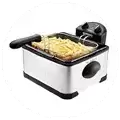








- Shark or fish substitutes: A firm, flavorful fish is ideal for this recipe, providing a rich taste and texture.
- Flour and baking powder: These provide the base for the "bake," ensuring it is light and fluffy.
- Garlic, onion, and culantro (chadon beni): Essential aromatics for marinating the fish, enhancing flavor.
- Pimento pepper: Adds a mild heat and Caribbean flair to the marinade, contributing to overall flavor.
- Chive and thyme: Add a fresh herbaceous note to the fish, elevating its taste profile.
- Lettuce, tomatoes, and pineapple: Classic toppings that balance the richness of the fried fish with freshness.
What does Bake and Shark taste like?
The shark meat has a firm texture and mild flavor. When combined with the crispy, fluffy bake and assorted toppings like sauces, chutneys, and vegetables, it creates a unique blend of savory, crunchy, and tangy flavors.
Is shark meat the only option for Bake and Shark?
What are common toppings for Bake and Shark?
Toppings can vary widely but often include shredded lettuce, tomatoes, pineapples, cucumbers, tamarind or mango chutney, various pepper sauces, garlic sauce, and sometimes coleslaw.
What are some alternative toppings for a unique twist?
Get creative with your toppings! Consider options like pineapple mango salsa, mango chutney, and red onion chutney for a flavorful twist.
Where did Bake and Shark originate?
It originated in Trinidad and Tobago, particularly along the coastal areas, where shark meat was plentiful and a staple part of the diet.
Time & Serves
Ingredients
1 3/4 cups Flour
1 teaspoon Yeast
3/4 teaspoon Salt
1 teaspoon Baking Powder
2/3 cups Water
1 pound Shark (substitutes are Cat Fish or King Fish)
1 Chive (chopped)
3 cloves minced Garlic
4 leaves culantro (chadon beni)
1 small Chopped Onion
1 Pimento Pepper (chopped)
1 1/2 teaspoons Salt
½ teaspoon Black Pepper
1 Lime or Lemon
1 Egg
½ cup Flour
2 broad leaves Thyme (chopped)
Oil (or frying pan)
Instructions
Combine all dry ingredients, leaving a bit of flour separate.

Add water slowly and mix till the dough forms and knead well.

Leave the dough to rest for 20 minutes.

Wash the fish with lime and then drain properly and place in a bowl.

Add chives, garlic, culantro, onion, thyme, pimento, salt and black pepper.

Let the fish marinate for 5-10 minutes. Go back to the bake.

Place the pot on the stove using low heat with oil for deep-frying.

Once the dough has risen, make balls about 4 inches in diameter. At this stage, use the extra flour to help form the balls.

Use a rolling pin to flatten the balls to about 1/3 inch thick. Use extra flour if needed.

Fry the dough on both sides until golden brown.

Crack the egg into a bowl and mix well. Place the flour in another bowl.

Dip each piece of shark into a bowl with egg.

Then place it into the flour, making sure to fully coat it.

Fry until golden brown.

Drain the fried fish. Partly slice open one of the fried bake and place the fried fish inside it.

Add the following optional salad toppings: lettuce, tomatoes, ketchup, sliced pineapple and shredded cabbage.

Add the following optional condiments: pepper sauce, tamarind sauce, garlic sauce, mustard, chadon beni sauce, pepper sauce, and cucumber chutney.

Narandradath Jaikaran Recommends


Subscribe to our newsletter for the latest recipes, holiday specials, and mouthwatering secrets!
Subscribe
how to make the sauces
how to make the sauces