 Published:
Jan 3rd 2021
by
Published:
Jan 3rd 2021
by  Medically reviewed by
 Last updated: Oct 26th 2025

Trinidad Pastelle is a delightful dish featuring a savory cornmeal pie filled with seasoned meat, fish, or vegetables, all wrapped in banana leaves. This traditional Caribbean recipe is perfect for festive occasions, particularly during the Christmas season. The unique method of steaming the pastelles enhances their flavor and texture, making them a beloved favorite among home cooks.
The sweet version of Trinidad Pastelle is called Trinidad Paime.
This Trinidad pastel recipe requires some special ingredients and tools which we have listed here:
- Fresh banana leaves or use a Banana Leaf alternative.
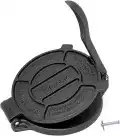
- A Pastel Press or Tortilla Press
- Mixer
- Aluminum foil
We collaborate with brands through sponsored recipes, editorial features, and video collaborations. If your brand wants to reach a health-focused audience, we’d love to explore how we can work together.
Explore brand collaborationsThis recipe offers a delightful blend of savory and slightly sweet flavors, making it a satisfying meal for any occasion. It's easy to prepare and can be made ahead of time, allowing you to freeze portions for quick meals later. With versatile filling options, this dish caters to various dietary preferences.
Health Benefits and Concerns
The ingredients in Trinidad Pastelle have various health benefits. Cornmeal offers fiber, which promotes digestive health, while the protein from the meat filling supports muscle health.
Capers and olives add antioxidants that help fight inflammation. However, the use of margarine can impact cholesterol levels, so consider healthier alternatives like olive oil to reduce saturated fat content.
Blood Sugar Considerations
The combination of sweet and savory flavors in Trinidad Pastelle, including ingredients like raisins and brown sugar, may affect blood sugar levels, especially for those with diabetes. If you are concerned about the glycemic impact, you can reduce the amount of sugar or opt for unsweetened substitutes.
Key nutrients
- Protein: from minced chicken or beef — supports muscle health and helps keep you satisfied.
- Fiber: from corn flour, pimentos, raisins, and olives — aids digestion and supports fullness.
- Iron: from meat and leafy herbs — important for healthy blood and energy levels.
- Vitamin C: from pimentos and fresh herbs — helps support immune function.
- Healthy fats: from vegetable oil and olives — provide energy and help absorb some vitamins.
Why it matters
- Balanced meals with protein, fiber, and healthy fats can help sustain energy.
- Including vegetables and herbs boosts micronutrient intake.
- Traditional recipes like this can support cultural connection and enjoyment of food.
What to watch
- Sodium — seasonings like Maggi, capers, olives, and ketchup add salt; use with care if limiting sodium.
- Added sugars — brown sugar and ketchup increase sweetness; moderate if watching sugar intake.
- Saturated fat — margarine and some oils may add saturated fat; consider your overall intake.
Make it even better
- Add more chopped vegetables to the filling for extra fiber and nutrients.
- Use lean meats or plant-based proteins to reduce saturated fat.
- Choose low-sodium versions of seasonings where possible.
- Swap margarine for olive oil or a trans-fat-free spread for heart health.
General nutrition information only; verify labels and consult a healthcare professional for personal advice.
References
- EatRight.org — Nutrition - For general nutrition guidance on balanced meals and nutrients.
- CDC — Sodium - For information on sodium in foods and health considerations.
Best fit
- Gluten Free: Uses corn flour and no wheat-based ingredients.
- Pescetarian: Can be made with fish or vegetarian protein as filling.
- Vegetarian: Easily adapted using soya or vegetable filling.
Use with caution / avoid
- Sodium: Contains added salt, Maggi seasoning, capers, and olives; limit if watching sodium intake.
- Added sugars: Brown sugar and ketchup add sweetness; consider portion size if limiting sugar.
- Saturated fat: Margarine is used; choose smaller portions if reducing saturated fat.
Helpful modifications
- Use reduced-sodium seasonings and rinse capers/olives to lower sodium content.
- Swap margarine for olive oil or a plant-based spread to reduce saturated fat.
- Omit or reduce brown sugar and ketchup for less added sugar.
- Choose lean poultry or plant protein for a lower-fat filling.
Pair with: Steamed vegetables or a fresh salad for added fiber and balance.
General nutrition information only; verify labels and consult a healthcare professional for personal advice.
Contains: milk, soy.
-
Milk
Where it appears: Margarine (may contain milk or milk derivatives).
Swap: Use a dairy-free margarine or vegan butter alternative.
-
Soy
Where it appears: Maggi Tastemaker seasoning, soya (vegetarian filling option), margarine (may contain soy).
Swap: Choose soy-free seasoning and margarine; use lentils or mushrooms for vegetarian filling.
Cornmeal is naturally gluten-free, but cross-contamination is possible during processing. To ensure a gluten-free version, use certified gluten-free cornmeal. For those following a vegetarian diet, consider substituting the meat filling with seasoned lentils or black beans.
Notes are based on the listed ingredients; always verify brand labels and local regulations. Swaps may require adjusting cook time and steps; the original recipe isn’t tailored to substitutions.
References
- FDA — Food Allergies - For information on the major allergens and labeling requirements.
- Food Allergy Research & Education - Common Allergens - To confirm common sources of allergens in processed foods.
Clean
- Wash hands with soap and water before and after handling ingredients.
- Clean all utensils, cutting boards, and surfaces before use.
- Rinse banana leaves thoroughly before wrapping pastelles.
Separate
- Keep raw meat separate from vegetables and ready-to-eat foods.
- Use separate cutting boards for meat and produce to avoid cross-contamination.
Cook
- Cook ground chicken or beef to an internal temperature of 165°F.
- Steam pastelles until the filling is hot and fully cooked through.
Chill
- Refrigerate leftovers within 2 hours of cooking.
- Store pastelles in airtight containers or wrap tightly before freezing.
References
- CDC — Food Safety - General food safety guidelines and safe cooking temperatures.
- USDA — Food Safety Basics - Safe handling and storage of meats and leftovers.
- Trinidad pastelle is a festive dish made by steaming cornmeal dough filled with savory, spiced meat or vegetables.
- Wrapping pastelles in banana leaves infuses a subtle earthy aroma and keeps them moist during cooking.
- The sweet-savory filling often combines capers, olives, and raisins for complex flavor and texture.
- This dish is a Christmas tradition in Trinidad and Tobago, often made in large batches for gatherings.
- Pastelles can be made ahead and freeze well, making them convenient for holiday meal prep.
Name & origins
Pastelle comes from Trinidad and Tobago, blending Spanish, African, and local Caribbean culinary influences.
Ingredient spotlight
- Cornmeal: Forms the soft, slightly sweet dough that encases the filling.
- Banana leaves: Used for wrapping; add aroma and help retain moisture during steaming.
- Minced chicken or beef: Main protein source; seasoned for rich, savory flavor.
- Capers and olives: Bring tangy and briny notes to balance the filling’s sweetness.
Technique tidbit
Steaming pastelles gently cooks the dough and filling, preserving moisture and melding flavors without drying out the dish.
Before you start
- Gather all ingredients and tools for this recipe to streamline the process.
- Ensure your steamer is ready and heated to maintain consistent cooking.
- Use hot water for the dough to achieve the right texture and pliability.
During cooking
- Look for a golden-brown color on the filling to indicate it's well-cooked.
- Check that the pastelles are firm yet slightly springy when pressed.
- Avoid overmixing the dough to keep it light and fluffy.
- Steam in batches to prevent overcrowding, ensuring even cooking.
Make-ahead & storage
- Prepare pastelles in advance and freeze them uncooked for convenience.
- Reheat by steaming directly from frozen to maintain moisture and texture.
Common mistakes
- Using cold water → results in tough dough; always use hot water.
- Skipping banana leaf prep → leads to tearing; always soften them first.
Serve with
- A refreshing cucumber salad to balance the savory pastelles.
- Trinidad Callaloo: The creamy and earthy flavor of callaloo complements the savory richness of pastelles perfectly.
- Avocado Slices or Avocado Salad: Fresh avocado adds a creamy contrast to the bold flavors of the filling.
- Cucumber Chutney or Mango Chutney: A tangy chutney offers a delicious contrast to the savory taste of the pastelle.
- Garlic Roasted Vegetables: Serve your pastelle alongside garlic-roasted vegetables such as carrots, zucchini, or bell peppers to create a balanced and nutritious meal.
Toppings & textures
- Fresh cilantro or parsley for a burst of herbaceous flavor.
- Sliced jalapeños for a spicy kick that enhances the filling.
Occasions
- Perfect for holiday gatherings, potlucks, or family meals any time of year.
Substitutions
- If you lack minced chicken, use seasoned soya for a similar texture and flavor.
- For a dairy-free option, substitute margarine with coconut oil or vegan butter.
Variations
- In Puerto Rican pastelles, the filling often includes pork and olives, giving it a distinct flavor.
- Add diced sweet potatoes or corn to the filling for a modern twist that enhances sweetness and texture.
Refrigerate
- Cool pastelles to room temperature before storing in airtight containers.
- Consume within 5–7 days for best quality and flavor.
Freeze
- Wrap pastelles tightly in foil or plastic wrap, then place in a freezer bag.
- Thaw in the refrigerator overnight before reheating.
Reheat
- Steam pastelles until heated through for optimal texture.
- Add a splash of water while steaming to maintain moisture.
Repurpose ideas
- Chop leftover pastelles and mix into a savory rice dish for added flavor.
- Use as a filling for wraps or tacos, topped with fresh salsa.







For the cornmeal dough:
- Corn Flour: Forms the base of the dough, providing a slightly sweet and earthy flavor while creating the perfect texture.
- Boiling Water: Hydrates the corn flour, allowing it to form a pliable and cohesive dough.
- Margarine: Adds richness and helps keep the dough tender and moist.
- Salt: Enhances the flavor of the dough, balancing the sweetness of the corn flour.
- Brown Sugar: Adds a subtle sweetness, complementing the savory filling and enhancing overall taste.
- Mixed Green, Yellow, and Red Pimentos: Infuses the dough with a mild, sweet pepper flavor and adds vibrant color.
- Maggi Tastemaker: Provides an umami boost and enhances the savory notes in the dough.
For the filling:
- Minced Chicken (or beef or soya for vegetarians): The main protein source, offering a rich, savory flavor and hearty texture.
- Onions: Add sweetness and depth of flavor to the filling, enhancing the overall taste profile.
- Chives: Provides a mild onion-like flavor, adding freshness to the filling.
- Fresh Thyme: Introduces a fragrant, herbal note that pairs well with savory ingredients.
- Minced Garlic: Adds a pungent, aromatic flavor, enhancing the savory elements of the filling.
- Black Pepper: Offers a hint of heat and depth, balancing other spices.
- Salt: Enhances all flavors in the filling, ensuring a well-seasoned mixture.
- Brown Sugar: Adds a touch of sweetness, balancing savory and spicy ingredients.
- Hot Peppers (optional): Provides a delightful kick of heat for those who enjoy spicier dishes.
- Culantro: Infuses the dish with a bold, fresh, and slightly citrusy flavor typical in Caribbean cuisine.
- Ketchup: Adds tanginess and slight sweetness, binding filling ingredients together.
- Worcestershire Sauce: Introduces complex umami flavor, deepening the taste of the filling.
- Pimentos: Add sweetness, color, and mild pepper flavor to the filling.
- Capers: Provide a tangy, briny flavor, adding complexity to the filling.
- Olives: Provide a salty, slightly bitter taste, enhancing overall flavor profile.
- Raisins: Add a touch of sweetness and chewy texture, contrasting savory elements.
- Vegetable Oil: Used for sautéing filling ingredients, ensuring even cooking and rich flavors.
- Banana Leaves (or banana leaf alternative): Wraps pastelles, infusing them with earthy aroma and keeping them moist during cooking.
Where did Trinidad Pastelle come from?
Trinidad Pastelle is known to have been introduced by the Spanish colonists who ruled Trinidad and Tobago between the late 15th and early 18th centuries. It can be traced back to the culinary influences of Trinidad and Tobago, which include African, Indian, Spanish, and Amerindian traditions. The dish has evolved over time, incorporating a variety of flavors and ingredients to create a unique Trinidadian version of the pastelle. It has become an integral part of Trinidadian cuisine, especially during Christmas.
Trini Pastelle is closely related to Tamales, but the main difference is Tamales are made with corn masa only.
How do you fold a Trinidad Pastelle?
Where can I find banana leaves?
Banana leaves can be found in several places, depending on your location. Here are some common places where you might find banana leaves:
- International or Ethnic Grocery Stores:
- Stores that specialize in international or ethnic foods, particularly those serving Asian, Caribbean, or Latin American communities, often carry banana leaves. These leaves are used in various traditional cuisines.
- Local Asian or Latin American Markets:
- Specialty markets that focus on Asian or Latin American products are good places to check. They may have fresh or frozen banana leaves.
- Farmers' Markets:
- Some farmers' markets or local markets may carry banana leaves, especially if there is a diverse selection of produce and products from different cultures.
- Supermarkets with a Diverse Produce Section:
- Larger supermarkets with a diverse customer base and an extensive produce section may carry banana leaves. Check in the fresh produce area.
- Online Retailers:
- You can also find banana leaves at various online retailers that specialize in international or Asian grocery items. Make sure to check reviews and ensure that the leaves are suitable for cooking. We have done some research and found a banana leaf alternative.
- Local Asian or Latin American Community Centers:
- Community centers or cultural organizations associated with Asian or Latin American communities might be able to guide you to local sources of banana leaves.
- Specialty Food Suppliers:
- Some specialty food suppliers or distributors may provide banana leaves to restaurants or individuals. Check if there are any suppliers in your area.
Remember to inquire whether the banana leaves are intended for cooking (food-grade) rather than decorative purposes, as not all banana leaves are suitable for consumption. If fresh banana leaves are not available, some recipes allow for the use of parchment paper or aluminum foil as an alternative wrapping for pastelles.
Can I freeze Trinidad Pastelles?
Yes, Trinidad Pastelles freeze very well. After assembling the pastelles, wrap them tightly in foil or plastic wrap and place them in an airtight container. They can be frozen for up to 3 months. When you're ready to cook them, steam or boil them directly from frozen.
Can I make Trinidad Pastelles gluten-free?
Yes, you can make Trinidad Pastelles gluten-free by using gluten-free cornmeal for the dough. Ensure that all other ingredients, such as the seasonings and fillings, are also gluten-free by checking the labels.
Can I prepare Trinidad Pastelles in advance?
Yes, you can prepare the pastelles in advance and store them in the refrigerator or freezer. Many people prefer to prepare them ahead of time, especially during the busy holiday season. Simply reheat them by steaming or boiling them before serving.
What fillings can I use for Trinidad Pastelles?
Time & Serves
Ingredients
1 Kg Corn Flour
1100 grams Boiling Water
454 grams Margarine
12 grams Salt
10 grams Brown Sugar
12 grams mixed green, yellow and red pimentos, finely chopped
12 grams Maggi Tastemaker
2 kg Minced Chicken (or beef or soya for vegetarians)
127 grams Finely Chopped Onions
53 grams Finely Chopped Chives
5 grams Fresh Thyme
18 grams Minced Garlic
3 grams ground Black Pepper
29 grams Salt
80 grams Brown Sugar
4 grams Hot Peppers finely chopped (optional)
53 grams Culantro chopped
128 grams Ketchup
2 teaspoons Worcestershire sauce
110 grams Finely Chopped Pimentos
50 grams Capers
50 grams Chopped Olives
185 grams Raisins
75 grams Vegetable Oil
3 Fresh Medium size Banana leaves or Banana Leaf alternative
Instructions
Add the meat to a bowl and season with chive, onions, thyme, culantro, garlic, hot pepper, black pepper and salt.

Brown the sugar and oil in a pot, add the seasoned meat. Add the ketchup, Worcestershire Sauce, pimentos, cook and stir using a wooden spoon until tender and soft.

When the meat is tender, remove it from the heat. Mix in the capers as well as the chopped olives and raisins and set aside.

In the mixer bowl, add the butter followed by the hot water. Stir until all the butter is melted. Fitted with a paddle, add corn flour, sugar, pimentos, Maggi, and salt. Run the mixer at slow speed for 2 minutes or until the ingredients are fully combined. Depending on your corn flour, you may need to add more hot water until a moist pliable dough is obtained.

Make round balls 60 grams each and cover with plastic or damp cloth (if necessary, slightly spritz with water to keep moist)

To prepare the banana leaves, soften them by waving over an open flame or hot surface. Cut off from the stem leaf pieces into approximately 8" squares.
Cut the aluminum foil into 10" x 10" squares. Grease the top side of foil with butter.

Using a pastelle press, place a thick piece of plastic or, alternatively, envelope the top part of the press in a plastic bag, keeping the plastic contact surface smooth and secure. Keep the plastic surface slightly buttered.
Place one piece of foil on the bottom of the press, buttered side up, and center one piece of banana leaf on top of the foil. Place a piece of dough centered on this leaf and fully flatten it (approximately 6" in diameter).
Lift off the foil with the leaf and dough and place on a flat surface.
Spread 2 tablespoons of filling, or to your liking, slightly off the center onto the dough.
Follow this video link for the folding and securing process: How to press and fold a Trinidad Pastelle.
After the folding is completed, work with a slight finger pressure to spread the meat even (not to the point of reaching the end), flatten and shape the end product, so all are similar.

Steam for 25 minutes. Open one and ensure it is fully cooked, if not continue. Then serve and enjoy. It can be secured in airtight bags and put into a deep freeze (for best results, steam for re-using).


Subscribe to our newsletter for the latest recipes, holiday specials, and mouthwatering secrets!
Subscribe
Add new comment