 Published:
May 4th 2020
by
Published:
May 4th 2020
by  Nutritionally reviewed by
 Last updated: Dec 22nd 2025

This recipe for Trinidad Sponge Cake features a light and fluffy texture complemented by a refreshing hint of citrus from orange zest and juice. Perfect for Christmas celebrations, this classic Caribbean dessert is simple to make and brings warmth to any occasion, whether it's a holiday gathering or an afternoon tea.
This recipe is simple yet flavorful, using basic ingredients that come together to create a moist and delicious cake. The addition of orange zest and juice adds a refreshing twist to the traditional sponge cake, making it perfect for those who love a hint of citrus in their desserts. It’s versatile, easy to make, and sure to impress at any gathering.
With this recipe, you'll learn how to bake a perfect sponge cake that’s soft, flavorful, and perfect for any occasion. Whether you’re new to baking or a seasoned pro, this recipe is a must-try, bringing the flavors of Trinidad into your home.
We collaborate with brands through sponsored recipes, editorial features, and video collaborations. If your brand wants to reach a health-focused audience, we’d love to explore how we can work together.
Explore brand collaborationsThis Trinidad Sponge Cake is a cherished classic in Caribbean households, especially during the holidays. It’s light, fluffy, and delicately flavored with a hint of orange. Its simplicity makes it versatile, and it pairs beautifully with various toppings and fillings, making it a crowd-pleaser for all occasions.
Key nutrients
- Protein: from eggs and milk — supports tissue repair and helps maintain muscle.
- Calcium: from milk — important for healthy bones and teeth.
- Vitamin C: from orange juice and zest — may help support immune function.
- B vitamins: from flour and eggs — help convert food into energy.
Why it matters
- Including eggs and milk adds valuable nutrients to a treat.
- Citrus zest and juice provide a small boost of antioxidants.
- Enjoying homemade desserts can support mindful eating habits.
Balance & portion
Aim for a balanced plate (vegetables, protein, smart carbs). Choose portions that fit your needs.
What to watch
- Added sugar — This recipe uses granulated sugar; enjoy in moderation as part of a varied diet.
- Saturated fat — Butter adds richness but also saturated fat; balance with other foods during the day.
Make it even better
- Use whole wheat flour for extra fiber and nutrients.
- Swap some butter for unsweetened applesauce to reduce saturated fat.
- Add chopped nuts or seeds for healthy fats and texture.
- Serve with fresh fruit to boost vitamin, mineral, and fiber content.
General nutrition information only; verify labels and consult a healthcare professional for personal advice.
References
- EatRight — Nutrition - Used to support general nutrition roles of key ingredients.
- CDC — Nutrition - For evidence-based dietary guidance and balance tips.
Best fit
- Lacto Vegetarian: Contains dairy and eggs, but no meat, poultry, or fish.
- Ovo Vegetarian: Contains eggs, but no meat, poultry, or fish.
- Vegetarian: Free from meat and fish; includes eggs and dairy.
- Mechanical Soft: Soft, moist texture suitable for easy chewing and swallowing.
Use with caution / avoid
- Added Sugar: Recipe contains granulated sugar; limit for blood sugar management.
- Refined Flour: Uses white flour; may not suit gluten-free or whole grain preferences.
- Saturated Fat: Butter adds saturated fat; consider portion size if limiting fat intake.
Helpful modifications
- Use plant-based milk and vegan butter for a dairy-free version.
- Swap white flour for a gluten-free blend to suit gluten-free diets.
- Reduce sugar or use a sugar substitute for lower sweetness.
- Replace eggs with flaxseed meal to make it egg-free/vegan-friendly.
Pair with: Fresh fruit salad or a dollop of plain yogurt to add fiber and protein balance.
General nutrition information only; verify labels and consult a healthcare professional for personal advice.
Contains: milk, egg, wheat, tree nuts (almond).
-
Milk
Where it appears: Butter, liquid milk.
Swap: Use plant-based butter and non-dairy milk alternatives.
-
Egg
Where it appears: Eggs.
Swap: Replace with flaxseed meal or chia seed mixture as a binder.
-
Wheat
Where it appears: Flour.
Swap: Use a gluten-free all-purpose flour blend.
-
Tree nuts (almond)
Where it appears: Almond essence.
Swap: Substitute with vanilla extract for a nut-free option.
Notes are based on the listed ingredients; always verify brand labels and local regulations. Swaps may require adjusting cook time and steps; the original recipe isn’t tailored to substitutions.
References
- FDA — Food Allergies - For the list of major allergens and labeling requirements.
Clean
- Wash hands with soap and water before starting and after handling raw eggs.
- Clean all mixing bowls, utensils, and surfaces before use.
- Rinse citrus fruits before zesting to remove dirt and bacteria.
Separate
- Crack eggs in a separate bowl to prevent shell fragments in the batter.
- Keep raw eggs away from other ingredients to avoid cross-contamination.
Cook
- Bake the cake at 350°F until a toothpick comes out clean from the center.
- Do not eat raw batter due to the risk of foodborne illness from eggs.
Chill
- Let the cake cool completely before storing to prevent condensation and mold.
- Store leftovers in an airtight container at room temperature for up to 3 days.
References
- CDC — Food Safety - General food safety guidance for home cooks.
- FDA — Eggs and Food Safety - Safe handling of eggs in recipes.
- Sponge cakes are prized for their light, airy crumb created by whipping air into eggs and sugar.
- Orange zest and juice add a bright, citrusy flavor that balances the cake's sweetness.
- This cake is a popular treat around the Christmas holidays in Trinidad and the Caribbean.
- Almond essence gives a subtle nutty aroma, a classic touch in Caribbean baking.
Name & origins
This sponge cake is a beloved classic in Trinidad, reflecting British baking influences with Caribbean flavors.
Ingredient spotlight
- Butter: Adds richness and helps create a tender, moist crumb.
- Eggs: Whipped into the batter to trap air, giving the cake its signature fluffiness.
- Orange zest: Provides natural citrus oils for a fragrant, fresh note.
Technique tidbit
Creaming butter and sugar incorporates air, which expands during baking to help the sponge rise and stay light.
Before you start
- Prepare all ingredients and tools to ensure a smooth cooking process.
- Preheat your oven to 350°F for even baking.
- Bring butter and eggs to room temperature for better mixing.
During cooking
- Cream butter and sugar until light and fluffy for the best texture.
- Check for doneness by inserting a toothpick; it should come out clean.
- Avoid overmixing after adding flour to keep the cake light.
Make-ahead & storage
- Bake the cake a day in advance; store it covered at room temperature.
- Refresh by warming slices in the oven briefly before serving.
Common mistakes
- Underbake → Test with a toothpick to ensure it's fully cooked.
- Dense texture → Mix batter gently after adding flour to maintain airiness.
Serve with
- A warm cup of cinnamon tea or coffee for a comforting pairing.
- Fresh fruit salad to add a refreshing contrast.
- A drizzle of chocolate sauce for a decadent touch.
Toppings & textures
- Whipped cream or a scoop of mango ice cream for creaminess.
- Sprinkle with toasted nuts for added crunch.
Occasions
- Perfect for afternoon tea or holiday celebrations.
Substitutions
- If you lack milk, use any plant-based milk for a dairy-free option—maintains moisture and texture.
- Substitute butter with margarine or a vegan butter alternative for a dairy-free version.
- Swap almond essence with vanilla extract for a different flavor profile—adds sweetness.
- Replace orange zest with lemon zest for a different citrus twist—adds brightness.
Variations
- For a traditional twist, add coconut milk and shredded coconut for a tropical flavor.
- Incorporate chocolate chips or dried fruits for a modern twist that enhances sweetness.
Refrigerate
- Allow the cake to cool completely before storing in an airtight container.
- Enjoy within 3 days for the best flavor and texture.
Freeze
- Freezing not recommended as it may affect the cake's light texture.
Reheat
- Gently warm slices in the oven at a low temperature until heated through.
- Serve warm for a delightful experience; avoid overheating to maintain moisture.
Repurpose ideas
- Transform leftover cake into a trifle with layers of cream and fruit.
- Use crumbs to top yogurt or ice cream for added texture and flavor.





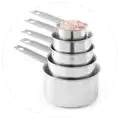




- Flour: The base of your cake for structure.
- Granulated Sugar: Adds sweetness and helps with caramelization.
- Butter: Provides richness and moisture.
- Eggs: Bind the ingredients and help create a light texture.
- Almond Essence: Adds a delicate nutty flavor.
- Cinnamon: Enhances the overall warmth of the cake.
- Milk: Moistens the batter and creates a soft texture.
- Baking Powder: Leavening agent to make the cake rise.
- Orange Zest & Juice: Gives the cake a refreshing citrusy note.
Can I make Trinidad Sponge Cake without almond essence?
Yes, you can substitute the almond essence with vanilla extract if you prefer a different flavor profile.
Can I make Trinidad Sponge Cake without eggs?
Yes, you can use a flaxseed meal or chia seed mixture as an egg substitute to help bind the ingredients, though it may slightly alter the texture.
Time & Serves
Ingredients
2 cups of Flour
1 cup of Granulated Sugar
8 ounces Butter (Blue Band or alternative)
4 medium Eggs
1 teaspoon Almond Essence
¼ teaspoon Cinnamon
½ cup Liquid Milk
3 teaspoons Baking Powder
1 teaspoon Orange Zest
1 tablespoon Fresh Orange Juice


Subscribe to our newsletter for the latest recipes, holiday specials, and mouthwatering secrets!
Subscribe
When do you add the Orange…
When do you add the Orange rind and Orange Juice? Does the rind stay or should it be removed at some point? Also, mines started to curdle, what did I do wrong?