 Published:
Dec 31st 2020
by
Published:
Dec 31st 2020
by  Nutritionally reviewed by
 Last updated: Sep 10th 2025

This Chocolate Cake Recipe delivers a rich and moist dessert that is surprisingly easy to make. Perfect for celebrations or a cozy afternoon treat, it showcases the deep flavor of cocoa and creates a delightful texture. Enjoy it as two separate cakes or as a stunning double layer cake, ideally paired with a warm cup of lemongrass tea.
We collaborate with brands through sponsored recipes, editorial features, and video collaborations. If your brand wants to reach a health-focused audience, we’d love to explore how we can work together.
Explore brand collaborationsThis recipe offers a rich and moist chocolate cake that is both simple to prepare and incredibly satisfying. With its deep cocoa flavor and tender crumb, it's perfect for any occasion, whether you're celebrating or enjoying a quiet afternoon. Plus, it can be made ahead of time and freezes beautifully for future indulgence.
Key nutrients
- Iron: from cocoa powder and eggs — supports oxygen transport in the body
- Calcium: from buttermilk — important for bone health
- Protein: from eggs and buttermilk — helps build and repair body tissues
- B vitamins: from flour and eggs — help convert food into energy
Why it matters
- Iron and B vitamins may help reduce tiredness and support energy levels.
- Calcium is essential for maintaining strong bones and teeth.
- Protein supports muscle maintenance and overall body repair.
What to watch
- Added sugar — granulated sugar contributes to total sugar intake; enjoy in moderation.
- Saturated fat — eggs and oil add fat; balance with lighter meals elsewhere in your day.
- Sodium — baking soda, baking powder, and salt increase sodium content.
Make it even better
- Use whole wheat flour for added fiber and nutrients.
- Reduce sugar slightly or use part unsweetened applesauce to cut added sugars.
- Add chopped nuts or berries for extra texture, fiber, and micronutrients.
- Pair with fresh fruit to boost vitamin and antioxidant intake.
General nutrition information only; verify labels and consult a healthcare professional for personal advice.
References
- EatRight — Nutrition - Used for general nutrient roles and healthy swaps guidance.
Best fit
- Lacto Vegetarian: Contains no meat or fish; uses eggs and dairy.
- Ovo Vegetarian: Contains eggs but no meat or fish.
- Vegetarian: Free from animal flesh; includes eggs and dairy.
Use with caution / avoid
- Added Sugar: High sugar content; limit for blood sugar management.
- Refined Flour: Uses all-purpose flour; not suitable for gluten-free diets.
- Saturated Fat: Contains eggs and buttermilk; limit if reducing saturated fat.
Helpful modifications
- Use whole wheat flour to add fiber and nutrients.
- Replace sugar with a lower-calorie sweetener for less sugar.
- Swap buttermilk for a plant-based milk to make it dairy-free.
- Use unsweetened applesauce instead of oil to reduce fat.
Pair with: Fresh berries or a side of unsweetened Greek yogurt for added fiber and protein balance.
General nutrition information only; verify labels and consult a healthcare professional for personal advice.
Contains: wheat, egg, milk.
-
Wheat
Where it appears: All-purpose flour.
Swap: Use a cup-for-cup gluten-free flour blend.
-
Egg
Where it appears: Eggs.
Swap: Replace each egg with 1/4 cup unsweetened applesauce or a commercial egg replacer.
-
Milk
Where it appears: Buttermilk.
Swap: Use unsweetened soy or oat milk mixed with 1 tablespoon lemon juice per cup.
Notes are based on the listed ingredients; always verify brand labels and local regulations. Swaps may require adjusting cook time and steps; the original recipe isn’t tailored to substitutions.
References
- FDA — Food Allergies - Used for the list of major allergens in the US.
Clean
- Wash hands with soap and water before handling any ingredients.
- Clean mixing bowls, utensils, and cake pans before use.
- Wipe down kitchen surfaces to prevent contamination.
Separate
- Keep raw eggs away from other ingredients and surfaces.
- Use separate utensils for raw and cooked foods if tasting batter.
Cook
- Bake cakes until a toothpick comes out clean from the center.
- Do not eat batter containing raw eggs to avoid foodborne illness.
Chill
- Cool cakes completely before frosting or storing.
- Refrigerate leftover cake within 2 hours to keep it safe.
References
- CDC — Four Steps to Food Safety - General food safety guidelines were referenced for safe baking practices.
- FoodSafety.gov — Safe Minimum Cooking Temperatures - Used for guidance on doneness and egg safety.
- Chocolate cake is a classic dessert enjoyed worldwide for its rich, deep cocoa flavor and moist, tender crumb.
- Using buttermilk in chocolate cake helps create a soft texture and enhances the chocolate taste.
- Baking soda and baking powder together give the cake a light, fluffy rise.
- Adding boiling water to the batter helps bloom the cocoa, intensifying its chocolatey depth.
Name & origins
Chocolate cake is a beloved dessert with roots in European baking traditions, now popular across many cultures.
Ingredient spotlight
- Cocoa powder: Gives the cake its signature chocolate flavor and dark color.
- Buttermilk: Adds tang and tenderness to the crumb.
- Vegetable oil: Keeps the cake moist even after baking.
Technique tidbit
Mixing wet and dry ingredients separately before combining ensures even distribution and a smooth, lump-free batter.
Before you start
- Gather all ingredients and tools for a smooth baking process.
- Preheat the oven to ensure even baking.
- Use room temperature eggs and buttermilk for better mixing.
During cooking
- Mix until just combined to keep the cake tender.
- Check for doneness by inserting a toothpick; it should come out clean.
- Avoid overmixing the batter to prevent a dense cake.
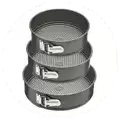
- Use two separate pans to ensure even baking and easy layering.
Make-ahead & storage
- Bake and cool the cakes, then wrap tightly in plastic for up to 3 days.
- Refresh by warming in the oven briefly before serving.
Common mistakes
- Underbake → check with a toothpick to avoid gooey centers.
- Skip greasing pans → use oil or butter to prevent sticking.
Serve with
- Vanilla ice cream for a classic and creamy contrast to the rich chocolate.
- A fresh fruit salad to add a burst of color and natural sweetness.
- Chocolate ganache for an extra layer of indulgence and richness.
Toppings & textures
- Chopped nuts for a crunchy texture that complements the soft cake.
- A sprinkle of sea salt to enhance the chocolate flavor and add depth.
Occasions
- This recipe shines at birthdays, anniversaries, or any festive gathering.
Substitutions
- If you lack buttermilk, use milk mixed with a tablespoon of vinegar for similar tang and moisture.
- For a gluten-free option, substitute all-purpose flour with a 1:1 gluten-free flour blend.
Variations
- Add espresso powder to enhance the chocolate flavor, creating a richer taste.
- Incorporate orange zest for a citrus twist that brightens the chocolate notes in this recipe.
Refrigerate
- Allow the cake to cool completely, then store in an airtight container.
- Enjoy within 3–4 days for the best flavor and texture.
Freeze
- Freezing not recommended as it may affect the cake's texture and moisture.
- For best results, consume fresh or refrigerated leftovers.
Reheat
- Gently warm slices in the microwave for a few seconds until steaming hot throughout.
- Add a splash of water to prevent drying out if needed.
Repurpose ideas
- Transform leftover cake into a trifle with layers of cream and fruit.
- Use crumbled cake as a topping for ice cream or yogurt parfaits.






- All-Purpose Flour: Provides structure and texture to the cake, ensuring it rises properly.
- Granulated Sugar: Adds sweetness and helps create a moist texture in this chocolate cake.
- Unsweetened Cocoa Powder: Delivers rich chocolate flavor and contributes to the cake's dark color.
- Baking Soda: Acts as a leavening agent, helping the cake to rise and become fluffy.
- Baking Powder: Works alongside baking soda to ensure proper leavening for a light texture.
- Salt: Enhances flavor and balances the sweetness of the cake.
- Large Eggs: Provide binding and moisture, contributing to the cake's overall structure.
- Buttermilk: Adds tanginess and moisture, resulting in a tender crumb in this recipe.
- Boiling Water: Helps dissolve cocoa powder, intensifying the chocolate flavor and moisture.
- Vegetable Oil: Keeps the cake moist and adds richness to the texture.
- Vanilla Extract: Enhances the overall flavor profile, adding warmth and depth to the cake.
Make-ahead suitability for this chocolate cake recipe?
You can bake and cool the cakes ahead of time, then wrap them tightly in plastic for up to 3 days. This allows for easy preparation before serving.
Doneness cues for this chocolate cake recipe?
Check for doneness by inserting a toothpick into the center; it should come out clean. If the cake springs back when gently pressed, it is also a good indicator that it is done.
Time & Serves
Ingredients
1 3/4 cups All-Purpose Flour
2 cups granulated Sugar
3/4 cups Unsweetened Cocoa Powder
1 tablespoon Baking Soda
1 1/2 teaspoons Baking Powder
1 1/2 teaspoons Salt
2 large Eggs
1 cup Buttermilk
1 cup boiling Water
1/2 cup Vegetable Oil
2 teaspoons Vanilla Extract


Subscribe to our newsletter for the latest recipes, holiday specials, and mouthwatering secrets!
Subscribe
Add new comment