 Published:
Jul 30th 2022
by
Published:
Jul 30th 2022
by  Nutritionally reviewed by
 Last updated: Jun 8th 2026

This Air Fryer Fish recipe delivers perfectly cooked salmon fillets with a delightful crispy exterior and tender, flaky interior, all thanks to the convenience of your air fryer. Coated in a savory-sweet Dijon mixture and seasoned with aromatic spices, this keto-friendly dish is ready in under 15 minutes, making it an ideal choice for a healthy and quick weeknight dinner.
We collaborate with brands through sponsored recipes, editorial features, and video collaborations. If your brand wants to reach a health-focused audience, we’d love to explore how we can work together.
Explore brand collaborationsYou'll love this Air Fryer Fish recipe for its incredible flavor, featuring a crispy exterior and tender, flaky interior. It's incredibly easy to prepare in under 15 minutes, making it a perfect healthy and quick weeknight meal. Plus, this keto-friendly dish offers a delicious savory-sweet Dijon and spice coating.
Key nutrients
- Omega-3 Fatty Acids: from salmon — These essential fats are important for brain function and are linked to heart health.
- Protein: from salmon — Crucial for building and repairing body tissues, and helps you feel full and satisfied.
- Monounsaturated Fats: from extra virgin olive oil — A heart-healthy type of fat that is a beneficial component of a balanced diet.
- Selenium: from salmon and sesame seeds — An antioxidant mineral that helps protect cells from damage and supports thyroid function.
Why it matters
- Air frying is a cooking method that requires significantly less added oil than deep frying, helping to manage overall fat intake.
- Including oily fish like salmon in your diet provides high-quality protein and beneficial omega-3 fatty acids.
- The combination of protein and healthy fats in this meal can contribute to a greater feeling of fullness and satisfaction.
Balance & portion
Aim for a balanced plate by pairing this fish with plenty of vegetables and a source of smart carbs, like the suggested quinoa or brown rice.
What to watch
- Sodium — This recipe contains sodium from salt and coconut aminos. Be mindful of amounts, especially if using soy sauce as a substitute.
- Added Sweeteners — This dish uses a brown sugar substitute. If you swap for real brown sugar, be aware of the added sugar content.
Make it even better
- Serve with a large portion of steamed asparagus or a leafy green salad to boost your meal's fiber and vitamin content.
- Opt for low-sodium coconut aminos or tamari to better control the overall sodium in the dish.
- Add a squeeze of fresh lemon juice before serving for a boost of vitamin C and bright flavor without adding salt.
General nutrition information only; verify labels and consult a healthcare professional for personal advice.
References
- NIH Office of Dietary Supplements - Provides consumer-friendly information on omega-3 fatty acids.
- American Heart Association - Explains the role of monounsaturated fats in a heart-healthy diet.
Best fit
- Pescetarian: This recipe is centered around fish, making it a perfect fit for this dietary pattern.
- Ketogenic: Uses a brown sugar substitute and healthy fats from salmon, keeping the net carbohydrate count very low.
- Gluten Free: Made with naturally gluten-free ingredients. Ensure your Dijon mustard and coconut aminos are certified gluten-free.
- Diabetic Friendly: Low in carbohydrates and uses a sugar substitute, making it a good choice for blood sugar management.
- Mechanical Soft: The cooked salmon is tender and flaky, making it very easy to chew and suitable for diets requiring soft textures.
Use with caution / avoid
- Sodium Content: Contains added sodium from salt, mustard, and coconut aminos. Those monitoring sodium intake may need to adjust the recipe.
Helpful modifications
- Lower Sodium: Omit the added salt and choose low-sodium coconut aminos to significantly reduce the sodium content.
- Whole30 Friendly: Omit the brown sugar substitute and verify your Dijon mustard is compliant with no added sugars.
- Nut-Free: For a nut-free version, simply omit the sesame seeds from the topping.
Pair with: black pepper tofu asparagus and a side of quinoa or brown rice for a balanced, high-fiber meal.
General nutrition information only; verify labels and consult a healthcare professional for personal advice.
Contains: Fish, Sesame, Tree Nuts.
-
Fish
Where it appears: Salmon fillets.
Swap: Use thin-cut chicken breasts. Adjust cooking time until chicken reaches an internal temperature of 165°F.
-
Sesame
Where it appears: Sesame seeds.
Swap: Omit the seeds, or replace with poppy seeds for a similar textural crunch.
-
Tree Nuts (Coconut)
Where it appears: Coconut aminos.
Swap: Use tamari or liquid aminos. Note that liquid aminos are typically derived from soy.
Notes are based on the listed ingredients; always verify brand labels and local regulations. Swaps may require adjusting cook time and steps; the original recipe isn’t tailored to substitutions.
Clean
- Wash hands with soap and water for at least 20 seconds before and after handling raw fish.
- Clean all surfaces, cutting boards, and utensils with hot, soapy water after they have touched raw salmon.
Separate
- Use a separate cutting board and utensils for raw salmon to prevent spreading bacteria to other foods.
- Keep raw fish and its juices away from ready-to-eat ingredients, such as salad greens.
Cook
- Cook fish to a minimum internal temperature of 145°F as measured with a food thermometer.
- Insert the thermometer into the thickest part of the fillet to ensure an accurate reading.
- When properly cooked, the fish's flesh will be opaque and flake easily with a fork.
Chill
- Refrigerate any leftovers in an airtight container within 2 hours of cooking.
- For best quality and safety, consume refrigerated leftover fish within 3 days.
References
- FDA — Seafood Safety - Provides federal guidelines on the safe handling and cooking temperatures for fish and shellfish.
- Salmon is prized for its high content of omega-3 fatty acids, a type of healthy fat.
- The vibrant pink-orange hue of salmon comes from astaxanthin, an antioxidant found in its diet of algae and crustaceans.
- Air frying uses superheated circulating air, creating a crispy texture with much less oil than traditional deep frying.
Name & origins
The name 'salmon' comes from the Latin word salmo, meaning 'to leap,' a nod to the fish's journey jumping upstream to spawn.
Ingredient spotlight
- Salmon: The star of the dish, providing a rich flavor and tender, flaky texture that cooks quickly in the air fryer.
- Dijon Mustard: Its sharp tang cuts through the richness of the salmon and acts as a binder for the spices and seeds.
- Coconut Aminos: Adds a savory, slightly sweet umami depth, acting as a milder, soy-free alternative to soy sauce.
Technique tidbit
The air fryer's rapid hot air circulation triggers the Maillard reaction, creating a deliciously browned and crisp exterior on the fish.
References
- Harvard T.H. Chan School of Public Health - Provides information on the health benefits of omega-3 fatty acids found in fish like salmon.
Before you start
- Pat fish very dry with paper towels for a crispier exterior.
- Preheat your air fryer fully to 375°F for even cooking and crisping.
- Ensure all ingredients are prepped and ready for quick assembly.
During cooking
- Arrange fish in a single layer in the basket to ensure even air circulation.
- Use an instant-read thermometer to confirm fish reaches 145°F internal temperature.
- Avoid overcooking the fish; remove promptly to keep it moist and flaky.
- Let the cooked fish rest for 5 minutes to allow juices to redistribute.
Make-ahead & storage
- Prepare the spice blend and wet glaze up to 2 days ahead; store separately in airtight containers.
- Reheat leftover fish in the air fryer at 300°F for 5-7 minutes to re-crisp gently.
Common mistakes
- Overcooking fish; use a thermometer to hit 145°F internal temp for tender results.
- Not patting fish dry enough; ensures a crispy exterior and better coating adhesion.
- Crowding the air fryer basket; cook in batches for optimal crispness and even cooking.
- Skipping preheating; ensures immediate crisping and prevents fish from sticking.
Serve with
- Fluffy quinoa or brown rice
- Garlic Parmesan Asparagus or a vibrant green salad with a light vinaigrette
- A creamy lemon-dill sauce or a simple Greek yogurt dip
Toppings & textures
- Fresh chopped parsley or cilantro for brightness, or toasted almonds for crunch
- A squeeze of fresh lemon juice or a sprinkle of red pepper flakes for a kick
Occasions
- Perfect for a quick and healthy weeknight dinner, or a light and satisfying lunch
Substitutions
- If salmon isn't available, use cod, haddock, or tilapia; cooking time may vary slightly.
- Swap the brown sugar substitute for regular brown sugar for a sweeter, non-keto option.
- Use tamari (gluten-free) or low-sodium soy sauce instead of coconut aminos for umami.
- Substitute garlic flakes and onion flakes with 1/2 tsp each of garlic powder and onion powder.
- Try stone-ground mustard for a bolder flavor, or a squeeze of lemon for added tang.
Variations
- For a lemon-herb twist, add 1 tsp dried dill or parsley and a squeeze of fresh lemon juice.
- Introduce a spicy kick by mixing 1/4-1/2 tsp red pepper flakes into the seasoning blend.
- Create a crispy panko crust by pressing the glazed fish into panko breadcrumbs before air frying.
- For an Asian-inspired glaze, add a dash of ginger powder and a touch of rice vinegar to the sauce.
Refrigerate
- Cool quickly, then store in an airtight container.
- Enjoy within 3-4 days for best quality.
Freeze
- Freezing not recommended; the crispy texture will be lost upon thawing and reheating.
Reheat
- Reheat in an air fryer at 300°F for 5-7 minutes until steaming hot throughout.
- This method helps to gently re-crisp the exterior.
Repurpose ideas
- Flake and add to a fresh green salad with a light vinaigrette.
- Use flaked fish in soft tacos or wraps with your favorite toppings.
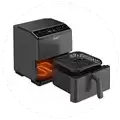
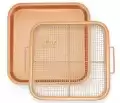


- Salmon Fillets: Provides the main protein and flaky texture for this air fryer fish recipe.
- Kosher Salt: Enhances the natural flavors of the fish and other seasonings.
- Black Pepper: Adds a subtle, pungent warmth to the overall flavor profile.
- Garlic Flakes: Contributes a savory, aromatic depth to the seasoning blend.
- Onion Flakes: Offers a mild, sweet, and savory aromatic base for the coating.
- Sesame Seeds: Delivers a nutty flavor and a delightful textural crunch to the exterior.
- Brown Sugar Substitute: Imparts a touch of sweetness and aids in caramelization for a golden finish.
- Dijon Mustard: Provides a tangy, pungent base for the coating, adding depth and moisture.
- Extra Virgin Olive Oil: Helps bind the coating ingredients and promotes a crispy exterior.
- Coconut Aminos: Adds a savory, slightly sweet, and umami flavor to the glaze.
What types of fish can you cook in an air fryer?
The best fish to cook in the air fryer depends on your preference. Several types of fish can be cooked in the air fryer, including cod, salmon, haddock, Tilapia, hake, and pollock.
How long should you air fry a fish fillet?
Depending on the kind of fish you are cooking, it will take about 6-11 minutes for the fish to cook.
How do you cook fish without the air fryer sticking?
Spraying the basket with non-stick cooking spray is the best way to prevent fish from sticking to the air fryer basket. Alternatively, you can also brush the air fryer basket with oil to prevent the fish from sticking to the basket.
Time & Serves
Ingredients
2 6-ounce Salmon Fillets
1 teaspoon Kosher Salt
1/2 teaspoon Black Pepper
2 teaspoons Garlic Flakes
2 teaspoons Onion Flakes
1 teaspoon Sesame Seeds
1 tablespoon Brown Sugar Substitute
1 tablespoon Dijon Mustard
1/2 tablespoon Extra Virgin Olive Oil
1/2 tablespoon Coconut Aminos


Subscribe to our newsletter for the latest recipes, holiday specials, and mouthwatering secrets!
Subscribe
Add new comment