 Published:
Jan 19th 2022
by
Published:
Jan 19th 2022
by  Nutritionally reviewed by
 Last updated: Sep 2nd 2025

This recipe for Jamaican Coco Bread features a soft, fluffy texture and a delightful coconut flavor, thanks to the use of coconut milk. A beloved staple in Caribbean cuisine, it pairs wonderfully with savory dishes like beef patties or can be enjoyed on its own with sweet spreads. Perfect for casual gatherings or weeknight dinners, this bread is easy to make and brings a taste of Jamaica into your home.
We collaborate with brands through sponsored recipes, editorial features, and video collaborations. If your brand wants to reach a health-focused audience, we’d love to explore how we can work together.
Explore brand collaborations Pro Tip
 You’ll love this recipe for Jamaican Coco Bread due to its delightful soft and fluffy texture, enhanced by the unique sweetness of coconut milk. It's easy to prepare, making it suitable for bakers of all levels, and its versatility allows it to complement both savory dishes and sweet spreads. Plus, it can be made ahead and frozen for later enjoyment.
Key nutrients
- Carbohydrates: from all-purpose flour and brown sugar — provide energy for daily activities.
- Healthy fats: from coconut milk and butter — support satiety and flavor.
- Protein: from egg and flour — helps with muscle maintenance and repair.
- B vitamins: from yeast, egg, and flour — support metabolism and energy production.
Why it matters
- Balanced breads like this can be part of a satisfying meal or snack.
- Combining with protein or fiber-rich sides helps keep you fuller longer.
- Coconut milk adds a unique source of plant-based fats and flavor.
Balance & portion
Aim for a balanced plate (vegetables, protein, smart carbs). Choose portions that fit your needs.
What to watch
- Saturated fat — butter and coconut milk add richness but also increase saturated fat content.
- Added sugars — brown sugar provides sweetness; use in moderation if watching sugar intake.
- Refined flour — all-purpose flour is lower in fiber than whole grain options.
Make it even better
- Swap some all-purpose flour for whole wheat flour to boost fiber content.
- Use coconut oil instead of butter for a dairy-free option with similar texture.
- Add seeds or chopped nuts for extra nutrients and crunch.
- Pair with lean protein or vegetables to create a more balanced meal.
General nutrition information only; verify labels and consult a healthcare professional for personal advice.
References
- Healthline - Nutrition Facts - For general information on nutrients in bread ingredients.
- CDC — Healthy Eating Tips - For guidance on balanced meals and dietary fats.
Best fit
- Lacto Vegetarian: Contains dairy and eggs, but no meat, poultry, or seafood.
- Ovo Vegetarian: Includes egg, no meat or fish; suitable for ovo vegetarians.
- Vegetarian: Free from animal flesh; fits a standard vegetarian diet.
- Mechanical Soft: Soft, moist texture makes it easy to chew and swallow.
Use with caution / avoid
- High in refined flour: May not suit those limiting refined grains or seeking whole grains.
- Added sugar: Contains brown sugar; limit if reducing added sugars.
- Not gluten free: Made with all-purpose flour; avoid if gluten sensitive or celiac.
- Contains saturated fat: Butter and coconut milk add saturated fat; limit for heart health concerns.
Helpful modifications
- Swap all-purpose flour for whole wheat flour to increase fiber content.
- Replace butter with coconut oil for a dairy-free version.
- Use a flax egg instead of egg to make the recipe vegan-friendly.
- Reduce brown sugar or use a sugar substitute to lower added sugars.
Pair with: Grilled lean protein (like jerk shrimp) and a fresh vegetable salad for a balanced meal.
General nutrition information only; verify labels and consult a healthcare professional for personal advice.
Contains: milk (dairy), egg, wheat/gluten, tree nuts (coconut).
-
Milk (dairy)
Where it appears: Unsalted butter.
Swap: Use coconut oil for a dairy-free version.
-
Egg
Where it appears: Egg.
Swap: Use a flax egg (1 tbsp ground flaxseed + 3 tbsp water) as a substitute.
-
Wheat/Gluten
Where it appears: All-purpose flour.
Swap: Use a gluten-free flour blend designed for baking.
-
Tree nuts (coconut)
Where it appears: Coconut milk.
Swap: Use oat milk or almond milk if coconut is a concern.
Notes are based on the listed ingredients; always verify brand labels and local regulations. Swaps may require adjusting cook time and steps; the original recipe isn’t tailored to substitutions.
References
- FDA — Food Labeling & Nutrition - For information on major food allergens and labeling requirements.
- Food Allergy Research & Education - To confirm coconut's status as a tree nut allergen for labeling in the US.
Clean
- Wash hands with soap and water before and after handling ingredients.
- Clean all bowls, utensils, and surfaces before use.
- Rinse eggs under running water before cracking if visibly dirty.
Separate
- Keep raw eggs away from other ingredients to avoid cross-contamination.
- Use a clean bowl for mixing dough and a separate one for melted butter.
Cook
- Bake bread until golden brown and fully cooked, about 15–20 minutes.
- Ensure the oven is preheated to 350°F (178°C) before baking.
Chill
- Cool bread completely before storing to prevent mold growth.
- Refrigerate leftovers within 2 hours if not eaten right away.
- Freeze bread for longer storage; thaw in the fridge before reheating.
References
- CDC — Food Safety - General food safety practices for home cooks.
- USDA — Egg Safety - Guidance on safe egg handling and preparation.
- Coco bread is often served folded, making it perfect for stuffing with savory fillings like Jamaican beef patties.
- The coconut milk in this bread gives it a subtle sweetness and a tender, fluffy crumb.
- Jamaican coco bread is a popular street food and is enjoyed both as a snack and alongside main dishes.
- This bread is prized for its soft texture, which comes from enriched dough and generous butter layers.
Name & origins
Coco bread comes from Jamaica and gets its name from the use of coconut milk in the dough.
Ingredient spotlight
- Coconut milk: Adds natural sweetness and a rich, tropical flavor to the bread.
- Butter: Creates a soft, moist crumb and helps achieve the signature foldable texture.
- All-purpose flour: Gives structure while keeping the bread light and airy.
Technique tidbit
Letting the dough rise until doubled allows yeast to create air pockets, resulting in coco bread’s signature fluffiness.
Before you start
- Gather all ingredients and tools for a smooth cooking process.
- Preheat the oven to 350 °F/178 °C before baking.
- Warm the coconut milk to about 100°F/38°C for best yeast activation.
During cooking
- Knead the dough until smooth and elastic for the best texture.
- Look for the dough to double in size during the rising phase.
- Avoid over-kneading, which can make the bread tough.
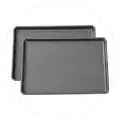
- Space the dough pieces evenly on the baking tray to ensure even baking.
Make-ahead & storage
- Prepare the dough ahead and refrigerate it overnight for convenience.
- Reheat in a toaster or oven to restore softness before serving.
Common mistakes
- Skipping the rising time → leads to dense bread; always let it rise fully.
- Overbaking → results in dry bread; remove when golden brown.
Serve with
- Spicy Jamaican beef patties for a classic and satisfying meal.
- Fresh garden salad with a citrus vinaigrette for a refreshing side.
- Rich oxtail soup or pumpkin soup to enhance the meal's flavors.
Toppings & textures
- Garnish with fresh cilantro or parsley for a pop of color.
- Add a drizzle of hot sauce for a spicy kick if desired.
Occasions
- Perfect for weeknight dinners or casual gatherings with friends.
Substitutions
- Replace unsalted butter with coconut oil for a dairy-free, tropical flavor.
- Use almond milk or oat milk instead of coconut milk for a milder taste.
- Swap all-purpose flour with whole wheat flour for a nuttier flavor and added fiber.
- Substitute brown sugar with coconut sugar or honey for a different sweetness profile.
- Use instant yeast instead of active dry yeast to reduce rising time.
- Omit the egg or use a flax egg for a vegan option.
Variations
- Add shredded cheese inside the bread for a savory, melty surprise.
- Mix in finely chopped herbs like thyme or scallions for added aroma and flavor.
- Incorporate diced jerk chicken or seasoned beef patties as a filling for a hearty snack.
- Brush the tops with honey or maple syrup before baking for a sweeter finish.
- Create mini slider-sized breads to serve as appetizers with various fillings.
Refrigerate
- Allow the bread to cool completely, then store in an airtight container.
- Use within 2 days for the best texture and flavor.
Freeze
- Wrap each piece tightly in plastic wrap or foil, then place in a freezer bag.
- Thaw in the fridge overnight before reheating.
Reheat
- Toast in a toaster or oven until warmed through and soft.
- For added moisture, wrap in a damp paper towel if microwaving.
Repurpose ideas
- Use as a sandwich bun for jerk chicken or beef patties.
- Top with coconut cream and tropical fruits for a sweet treat.








- Unsalted Butter: Adds richness and moisture to the bread.
- Coconut Milk: The star ingredient that gives this bread its signature flavor.
- All-Purpose Flour: The base of the bread, providing structure.
- Brown Sugar: Adds sweetness to balance the richness of the coconut.
- Active Dry Yeast: Helps the dough rise and gives the bread its light, fluffy texture.
- Egg: Adds richness and helps bind the ingredients.
- Salt: Balances the flavors.
Why is Jamaican bread called coco bread?
Jamaican bread is called coco bread because it contains coconut milk, which adds a sweet tropical flavor to the bread.
How do you eat Jamaican coco bread?
Coco bread can be eaten with beef patties, or it can be smeared with jam or butter. However, you can also serve coco bread alongside main dishes such as chicken or use the bread to make a sandwich.
How many calories are in Jamaican Coco Bread?
There are 230 calories in each Jamaican Coco Bread.
Does coco bread have carbs?
Yes, coco bread has carbs. There are 33 carbs in each coco bread. However, if you subtract the 2 grams of fiber, there are 33 net grams of carbs in coco bread.
Can I make Jamaican Coco Bread dairy-free?
Yes, simply replace the unsalted butter with coconut oil for a dairy-free version of this bread.
Time & Serves
Ingredients
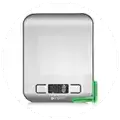
100 grams Unsalted Butter
230 ml Coconut Milk
400 grams All-Purpose Flour
25 grams Brown Sugar
2 ½ Teaspoon Active Dry Yeast
1 Egg
1 teaspoon Salt
Instructions
In separate bowls, divide the butter into two portions, 60 grams and 40 grams, and set aside.
Place the coconut milk into a saucepan and place on low heat for 2-3 minutes or until warm to the touch, then remove from the heat and set aside.
Add the flour, sugar, and salt using a large bowl, then mix.

Add the butter to the flour mixture and use your hands to incorporate it into the flour to make a crumbly texture.

Now add the warm milk, egg, and yeast and knead for 5 minutes, then add the salt and knead for another 5 minutes or until all the ingredients have combined to form a smooth dough ball.

Use a small amount of oil to coat the ball of dough and the inside of the bowl, then cover with a towel or plastic wrap and place the bowl in a warm place where it will be undisturbed for 1-2 hours or until the dough has doubled in size.

Prepare a clean floured counter or tabletop for working the dough and line a baking tray with parchment paper.

When the dough has risen and doubled in size, punch into the center of the ball and remove the dough to the work surface.

Cut the dough into 8-10 equal pieces and roll into balls. Then, using a rolling pin, flatten them into 6-inch circles or about a quarter of an inch in thickness.

Using the 40 gram portion of butter, smear the tops of the circles with butter using a mini-offset spatula. Fold in half and coat the top of the coco bread with more butter if desired. Once all the half-circles of dough have been buttered, place them onto the baking tray and let them rest for 20 minutes.

While the bread rests, preheat the oven to 350 °F/ 178 °C and place a rack in the middle of the range.
After the pieces of bread are finished resting, bake for 15-20 minutes or until they are golden brown.
Remove from the oven and brush the tops with some more butter and allow the bread to cool until warm to the touch, then eat and enjoy.


Subscribe to our newsletter for the latest recipes, holiday specials, and mouthwatering secrets!
Subscribe
Add new comment