 Published:
Dec 4th 2022
by
Published:
Dec 4th 2022
by  Nutritionally reviewed by
 Last updated: Feb 1st 2026

Sautéed Shrimp and Scallops make for an indulgent, restaurant-worthy meal right in your kitchen. This quick and easy recipe is perfect for any seafood lover, bringing together the delicate flavors of shrimp and scallops in a buttery garlic sauce, accented with fresh lemon juice. Whether you’re planning a special dinner or a quick weeknight meal, this dish is a standout that’s as simple as it is flavorful.
These sautéed scallops and shrimp go best with cauliflower rice, brown rice, or pesto pasta to complete the meal.
We collaborate with brands through sponsored recipes, editorial features, and video collaborations. If your brand wants to reach a health-focused audience, we’d love to explore how we can work together.
Explore brand collaborationsThis recipe delivers a delightful combination of tender shrimp and scallops in a rich garlic butter sauce, making it a flavor-packed meal. Ready in just 15 minutes, it’s perfect for busy weeknights and pairs beautifully with various sides. Enjoy the gourmet taste without the fuss, and savor the versatility of this dish.
Key nutrients
- Lean protein: from shrimp and scallops — supports muscle maintenance and helps keep you full.
- Omega-3 fatty acids: from scallops and shrimp — may support heart and brain health.
- Vitamin B12: from seafood — important for energy and nerve function.
- Antioxidants: from parsley and lemon juice — help protect cells from everyday stress.
- Healthy fats: from olive oil — can help absorb fat-soluble vitamins.
Why it matters
- Seafood is a quality protein source with beneficial nutrients.
- Omega-3s are linked to overall heart health in balanced diets.
- Antioxidants from herbs and citrus add extra nutrition.
Balance & portion
Aim for a balanced plate (vegetables, protein, smart carbs). Choose portions that fit your needs.
What to watch
- Sodium — salt is used throughout; adjust if you are watching sodium intake.
- Saturated fat — butter adds richness but also some saturated fat.
Make it even better
- Add more veggies like spinach or asparagus for fiber and vitamins.
- Use less salt or choose a salt substitute to lower sodium.
- Swap some butter for extra olive oil to reduce saturated fat.
- Serve with whole grains or cauliflower rice for added fiber.
General nutrition information only; verify labels and consult a healthcare professional for personal advice.
References
- Seafood Nutrition Partnership - For nutrient content of seafood like shrimp and scallops
- CDC — Salt - For information about sodium in the diet
Best fit
- Pescetarian: Contains only seafood, no meat or poultry.
- Gluten Free: No wheat, barley, or rye ingredients present.
- Low Carb/Ketogenic: Seafood, olive oil, and butter are low in carbohydrates.
- Whole30: All ingredients are compliant with Whole30 guidelines.
Use with caution / avoid
- High Sodium: Kosher salt may increase sodium; limit if watching intake.
- High Saturated Fat: Butter adds saturated fat; consider portion size if limiting.
- Shellfish Allergy: Contains shrimp and scallops; avoid if allergic.
Helpful modifications
- Use less salt or a salt substitute to reduce sodium content.
- Swap butter for extra olive oil to lower saturated fat.
- Add steamed vegetables for more fiber and nutrients.
- Serve with brown rice or cauliflower rice for added balance.
Pair with: Steamed broccoli or a mixed green salad for fiber and color.
General nutrition information only; verify labels and consult a healthcare professional for personal advice.
Contains: crustacean shellfish, milk (dairy).
-
Crustacean shellfish
Where it appears: Shrimp and scallops.
Swap: Use firm tofu or king oyster mushrooms for a shellfish-free version.
-
Milk (dairy)
Where it appears: Butter.
Swap: Use vegan butter or olive oil to make the recipe dairy-free.
Notes are based on the listed ingredients; always verify brand labels and local regulations. Swaps may require adjusting cook time and steps; the original recipe isn’t tailored to substitutions.
References
- FDA — Food Allergies - Used for identifying the major food allergens in the US.
Clean
- Wash hands with soap and water before and after handling raw seafood.
- Rinse scallops and shrimp under cold running water before cooking.
- Clean all utensils, cutting boards, and surfaces after contact with raw seafood.
Separate
- Keep raw shrimp and scallops separate from ready-to-eat foods.
- Use separate cutting boards for seafood and produce.
Cook
- Cook shrimp and scallops until opaque and firm; internal temperature should reach 145°F.
- Avoid partial cooking; finish seafood in one session for safety.
Chill
- Refrigerate leftovers within 2 hours of cooking.
- Store cooked seafood in a shallow, airtight container for up to 2 days.
References
- CDC — Food Safety - For general food safety practices and seafood handling guidelines.
- FDA — Selecting and Serving Seafood Safely - For safe preparation and storage of seafood.
- Shrimp and scallops both cook quickly, making them ideal for fast, flavorful meals.
- Scallops develop a sweet, caramelized crust when properly seared in a hot pan.
- Lemon juice brightens seafood dishes and helps balance the richness of butter sauces.
- Sautéed seafood is often paired with mild grains or greens to highlight its delicate flavors.
Name & origins
Sautéed shrimp and scallops are popular in coastal cuisines worldwide, prized for their tender texture and subtle sweetness.
Ingredient spotlight
- Sea Scallops: Mild, sweet flavor and a firm yet tender bite when seared.
- Shrimp: Juicy, slightly briny taste that pairs well with garlic and citrus.
- Olive Oil: Helps achieve a golden sear and adds subtle fruity notes.
- Garlic: Infuses the dish with savory aroma and depth of flavor.
Technique tidbit
Searing seafood in a hot skillet triggers the Maillard reaction, creating a flavorful golden crust without overcooking the interior.
Before you start
- Gather all ingredients and tools for a smooth cooking process.
- Preheat your skillet over medium-high heat for optimal searing.
- Ensure scallops and shrimp are completely thawed and patted dry.
During cooking
- Look for a golden-brown crust on scallops and shrimp for perfect texture.
- Cook until seafood is opaque and firm, signaling doneness.
- Avoid overcrowding the pan to ensure even cooking and browning.
- Cook in batches if necessary to maintain heat in the skillet.
Make-ahead & storage
- Prep garlic and shallots in advance; store in the fridge for convenience.
- Reheat gently in a skillet with a bit of butter to maintain tenderness.
Common mistakes
- Overcooking leads to rubbery seafood → Sear just 2-3 minutes per side.
- Skipping drying seafood results in poor sear → Always pat dry before cooking.
Serve with
- Brown rice for a hearty and nutritious base that complements the seafood.
- Sautéed asparagus or a simple green salad for a fresh, vibrant side.
- A drizzle of lemon butter sauce to enhance the flavors of the dish.
Toppings & textures
- Chopped fresh parsley or basil for a burst of color and flavor.
- A sprinkle of red pepper flakes for a hint of heat if desired.
Occasions
- This dish shines during weeknight dinners or special occasions.
Substitutions
- If you lack butter, use ghee for a nutty flavor or vegan butter for a dairy-free option.
- For a lighter dish, substitute olive oil with avocado oil, which has a mild taste.
Variations
- For a Mediterranean twist, add sun-dried tomatoes and olives to the sauté for added depth.
- Incorporate coconut milk into the sauce for a creamy, tropical flavor that complements the seafood.
Refrigerate
- Cool to room temperature, then store in an airtight container.
- Use within 2 days for best quality and flavor.
Freeze
- Freezing not recommended; seafood may lose texture and flavor.
Reheat
- Gently reheat in a skillet over low heat with a bit of butter.
- Add a splash of water to maintain moisture and tenderness.
Repurpose ideas
- Mix with pasta for a quick seafood pasta dish.
- Add to a salad for a protein-packed meal.

- Sea Scallops: Offers a sweet, buttery taste that enhances the flavors in this recipe.
- Jumbo Shrimp: Provides a tender texture and complements the scallops beautifully.
- Olive Oil: Used for searing, adding richness and depth to the dish.
- Butter: Adds a rich flavor and helps create a luscious sauce.
- Garlic: Infuses the dish with aromatic flavor, enhancing overall taste.
- Shallots: Contributes a mild onion flavor that complements seafood well.
- Lemon Juice: Adds a fresh, tangy finish that brightens the dish.
- Fresh Parsley: Provides a pop of color and freshness as a garnish.
How long does it take to sauté shrimp on the stove?
It takes about 2-3 minutes per side to sauté jumbo or large shrimp.
What should I season my shrimp with?
Salt and pepper are the most basic seasonings for shrimp. However, you can also season shrimp with smoked paprika, lemon juice, or lime juice to add more flavor.
Is it better to boil or sauté shrimp?
It depends on your preference. Sautéing shrimp gives it more flavor, and it cooks quicker than boiling. In contrast, boiling is less flavorful and takes about 5-8 minutes to cook. However, boiling does not require oil, so it is healthier. Nevertheless, it depends on your preference.
What goes good with sauteed shrimp?
Pasta Primavera, roasted asparagus, zucchini noodles, Greek salad, and steamed broccoli go well with sautéed shrimp.
Can I use frozen shrimp and scallops for this recipe?
Yes, just make sure they’re completely thawed and patted dry before cooking to ensure they sear properly.
What type of skillet is best for searing scallops and shrimp?
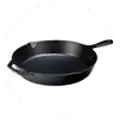
A heavy skillet, like cast iron, is ideal because it distributes heat evenly, creating a nice sear.
How do I prevent scallops from turning rubbery?
Avoid overcooking! Sear each side for just 2-3 minutes to keep them tender and juicy.
Time & Serves
Ingredients
1 1/4 lb. Sea Scallops, side muscle removed
1 1lb. Jumbo Shrimp, peeled, deveined
5 tablespoons Olive Oil
1 1/2 teaspoons Kosher Salt
3/4 teaspoon Black Pepper
4 tablespoons Butter
2 cloves of Garlic, minced
2 Shallots, minced
Juice of 1/2 Lemon
2 tablespoons Fresh Parsley
Instructions
Pat dry scallops using paper towels. Season scallops with 1/2 teaspoon salt and 1/4 teaspoon black pepper.

Place the shrimp in a large bowl. Add 1 tablespoon olive oil, 1/2 teaspoon salt, and 1/4 teaspoon black pepper. Toss to coat the shrimp in the seasoning.

Next, add 2 tablespoons olive oil to a large cast-iron skillet and set it over medium-high heat.

Once the olive oil is hot, add the scallops and cook them for 2 minutes per side. Take the scallops out of the pan. Place them onto a plate.

Wipe the skillet out with paper towels. Add another 2 tablespoons olive oil and let it heat up.

Add the shrimp and cook them for 2 minutes per side. Take the shrimp out of the pan. Place them onto a plate.

Wipe the skillet out with paper towels. Add the butter and place the skillet over medium-low heat. Add garlic and shallots, and cook them for 2 minutes, stirring periodically until the garlic is fragrant and the shallots soften.

Place the scallops and shrimp back into the pan, and toss them in the butter mixture. Add the lemon juice and cook it for 1-2 minutes until everything is heated.

Transfer the scallops and shrimp to a platter and garnish them with parsley.


Subscribe to our newsletter for the latest recipes, holiday specials, and mouthwatering secrets!
Subscribe
Add new comment