 Published:
Aug 28th 2021
by
Published:
Aug 28th 2021
by  Nutritionally reviewed by
 Last updated: Feb 8th 2026

Aloe Vera juice is a refreshing and nutrient-rich beverage that combines a slightly earthy flavor with a smooth texture, making it an excellent choice for hydration. This easy-to-follow recipe teaches you how to extract the gel from fresh aloe leaves, allowing you to create a wholesome drink perfect for any time of day. Enjoy it chilled or blended with your favorite fruits for a delightful twist.
We collaborate with brands through sponsored recipes, editorial features, and video collaborations. If your brand wants to reach a health-focused audience, we’d love to explore how we can work together.
Explore brand collaborationsThis recipe for Aloe Vera juice offers a refreshing and unique flavor that is easy to prepare. You can enjoy it chilled, blended with fruits, or even make it ahead of time for a quick, nutritious drink. Its versatility makes it a perfect addition to any meal or occasion.
Key nutrients
- Vitamin C: from aloe vera gel — supports immune function and acts as an antioxidant.
- Hydration: from water and aloe vera gel — helps maintain fluid balance and supports daily hydration needs.
- Polysaccharides: from aloe vera gel — may support digestive comfort and gut health.
- Cinnamaldehyde: from cinnamon — adds flavor and may offer antioxidant properties.
Why it matters
- Staying hydrated is important for energy, focus, and overall well-being.
- Antioxidants help protect cells from everyday oxidative stress.
- Natural plant compounds in aloe may support gentle digestion.
Balance & portion
Aim for a balanced plate (vegetables, protein, smart carbs). Choose portions that fit your needs.
What to watch
- Aloe vera gel must be rinsed well — leftover yellow sap can cause stomach discomfort or bitterness.
- Excess intake may cause digestive upset; limit to moderate servings as recommended.
Make it even better
- Add fresh citrus juice for more vitamin C and a brighter flavor.
- Blend with fruits like mango or pineapple for extra nutrients and natural sweetness.
- Use coconut water instead of plain water for added electrolytes.
- Garnish with mint or lime for extra freshness and aroma.
General nutrition information only; verify labels and consult a healthcare professional for personal advice.
References
- NCCIH — Aloe Vera - For general information on aloe vera’s uses and safety considerations.
- CDC — Water & Healthier Drinks - For hydration benefits and recommendations.
Best fit
- Vegan: Contains only plant-based ingredients with no animal products.
- Gluten Free: Made without wheat, barley, or rye ingredients.
- Low Fat: Contains minimal fat from aloe vera and spices only.
- Low Sodium: No added salt or high-sodium ingredients included.
Use with caution / avoid
- Digestive Sensitivity: Aloe vera may cause GI discomfort if not rinsed well or consumed in excess.
- Renal Diet: Consult a professional before use, as aloe may not suit all kidney health needs.
Helpful modifications
- Add fresh fruit like pineapple for natural sweetness and extra vitamins.
- Use coconut water instead of juice for added electrolytes and hydration.
- Blend with leafy greens for more fiber and nutrients.
- Limit portion to one cup if sensitive to aloe or new to this ingredient.
Pair with: A small serving of unsweetened Greek yogurt or a handful of raw nuts for protein and satiety.
General nutrition information only; verify labels and consult a healthcare professional for personal advice.
References
- NCCIH — Aloe Vera - For safety, uses, and potential side effects of aloe vera juice.
No major allergens detected based on the listed ingredients. Always check labels for hidden allergens in sauces or blends.
Notes are based on the listed ingredients; always verify brand labels and local regulations. Swaps may require adjusting cook time and steps; the original recipe isn’t tailored to substitutions.
References
- FDA — Food Allergies - Reference for the list of major food allergens in the US.
Clean
- Wash your hands thoroughly before and after handling aloe vera leaves.
- Sanitize knives and cutting boards with hot, soapy water before use.
- Rinse aloe vera gel well to remove all sap and dirt.
Separate
- Use a clean cutting board reserved for produce to avoid cross-contamination.
- Keep aloe gel separate from raw meats, seafood, or eggs in your kitchen.
Cook
- This recipe is uncooked; ensure all tools and surfaces are clean before preparation.
- Remove all green skin from the aloe leaf to avoid bitterness and stomach discomfort.
Chill
- Refrigerate aloe juice in a sealed container within 2 hours of making it.
- Consume within 3 days for best quality and safety.
References
- CDC — Food Safety - General food safety guidelines and produce handling tips.
- FDA — Produce Safety - Safe handling of fresh fruits and vegetables.
- Aloe vera gel has a mild, slightly earthy taste and blends easily into drinks for a smooth, hydrating texture.
- Draining and rinsing the aloe leaf removes a yellow sap that can cause bitterness in your juice.
- Cinnamon adds warmth and helps balance the subtle flavor of fresh aloe vera.
- Chilling aloe juice before serving enhances its refreshing qualities, especially on warm days.
Name & origins
Aloe vera juice is enjoyed worldwide and is often made fresh in tropical and subtropical regions where the plant grows abundantly.
Ingredient spotlight
- Aloe vera gel: Offers a smooth, jelly-like texture and subtle flavor when blended into drinks.
- Cinnamon: Brings a gentle spice note that complements the earthiness of aloe.
- Water or juice: Dilutes the gel for a more palatable, refreshing beverage.
Technique tidbit
Thoroughly removing all green skin from the aloe leaf helps prevent bitterness and ensures a clean, pleasant-tasting juice.
Before you start
- Gather all ingredients and tools needed for this recipe.
- Sanitize your knife and cutting board for cleanliness.
- Drain the aloe leaf for at least 15 minutes to remove bitter sap.
During cooking
- Look for a smooth, clear gel when cutting the aloe leaf.
- Ensure the gel is free of green skin to avoid bitterness.
- Avoid cutting too deeply into the leaf to preserve the gel.
Make-ahead & storage
- Prepare aloe gel in advance and store in an airtight container.
- Keep the juice chilled and consume within three days for freshness.
Common mistakes
- Skipping the draining step → leads to a bitter taste in your juice.
- Not rinsing the gel thoroughly → may cause stomach discomfort.
Serve with
- Whole grain crackers for a light, crunchy snack alongside this refreshing drink.
- A simple cucumber salad to enhance the hydration and freshness of the juice.
- Pair with a tangy yogurt dip for a creamy contrast to the aloe's earthy flavor.
Toppings & textures
- Add fresh mint leaves for a burst of herbal freshness and aroma.
- Include a squeeze of lime to elevate the drink's brightness and acidity.
Occasions
- This recipe shines at summer gatherings or as a refreshing afternoon pick-me-up.
Substitutions
- Replace water with coconut water for added electrolytes and a subtle sweetness.
- Use agave nectar instead of honey for a vegan-friendly sweetener option.
Variations
- Blend aloe gel with tropical fruits like mango for a refreshing smoothie twist.
- Add a splash of lemon juice to brighten the flavor and enhance the drink's acidity.
Refrigerate
- Store leftover Aloe Vera juice in an airtight container to keep it fresh.
- Consume within three days for the best flavor and health benefits.
Freeze
- Freezing not recommended as it may change the texture and nutrients of the juice.
Reheat
- Do not reheat Aloe Vera juice; it is best enjoyed chilled or at room temperature.
Repurpose ideas
- Add leftover juice to smoothies for an extra hydration boost.
- Mix with herbal teas for a refreshing, antioxidant-rich drink.
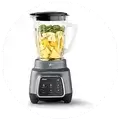





- Aloe Vera Leaf: Provides the clear gel that is rich in nutrients and natural hydration essential for this recipe.
- Water or Juice: Dilutes the aloe gel to make the drink easier to consume and enhances its texture.
- Cinnamon: Adds a warm, slightly spicy flavor that balances the natural taste of aloe and improves the overall flavor.
Is it safe to drink Aloe Vera juice?
Yes, aloe vera juice is generally safe to drink in moderation. It is recommended to limit intake to one cup per day, as consuming too much can cause cramping or diarrhea, which could lead to an electrolyte imbalance.
How do I extract the gel from the Aloe Vera plant?
To extract the gel, cut a mature leaf from the plant, slice it lengthwise, and slice alongside the gel. Our Aloe Vera Juice YouTube video shows how to slice the leaf.
Rinse the gel thoroughly to remove any yellowish sap, as it can cause stomach irritation.
Can I mix Aloe Vera juice with other ingredients?
Yes, Aloe Vera juice can be mixed with other juices like lemon, orange, grapefruit juice or even blended with fruits to enhance its taste and nutritional profile. However, be cautious with the combinations to ensure they complement each other.
How should I store freshly made Aloe Vera juice?
Freshly made Aloe Vera juice should be stored in an airtight container in the refrigerator. It's recommended to consume it within a few days to prevent bacterial growth.
Are there any side effects of consuming Aloe Vera juice?
Yes, there can be side effects from drinking aloe vera juice, such as cramping, diarrhea, or gastrointestinal issues. If you experience these symptoms, it is advised to reduce consumption or consult a healthcare provider.
Can I use Aloe Vera juice in smoothies?
How can I make Aloe Vera juice less bitter?
Rinse the aloe gel thoroughly and blend it with sweeter juices like orange or apple juice to mask the bitterness. You can also add natural sweeteners like honey.
Time & Serves
Ingredients
1 piece Aloe Vera leaf (about 6–7 inches long, yields approx. 3–4 oz gel)
1 liter of Water or Juice
1/2 teaspoon ground Cinnamon


Subscribe to our newsletter for the latest recipes, holiday specials, and mouthwatering secrets!
Subscribe
Could you give oz for the…
Could you give oz for the amount of aloe? Large is quite ambiguous