 Published:
Jun 26th 2022
by
Published:
Jun 26th 2022
by  Nutritionally reviewed by
 Last updated: Aug 18th 2025

This recipe for roasted pears offers a delightful combination of sweetness and warmth, making it an ideal dessert for both casual weeknights and elegant dinner parties. By drizzling slightly under-ripe pears with olive oil and a touch of salt before baking, you enhance their natural flavors while achieving a tender, caramelized texture. Topped with honey, this dish not only satisfies your sweet tooth but also provides a nutritious boost with vitamins and fiber.
We collaborate with brands through sponsored recipes, editorial features, and video collaborations. If your brand wants to reach a health-focused audience, we’d love to explore how we can work together.
Explore brand collaborationsThis recipe for roasted pears is a simple yet elegant dessert that highlights the natural sweetness of the fruit. With minimal ingredients and quick preparation, it’s perfect for both weeknight dinners and special occasions. Enjoy the warm, caramelized flavors that can be made ahead of time for added convenience.
Key nutrients
- Fiber: from pears — Supports digestive health and helps promote fullness.
- Vitamin C: from pears — Contributes to immune support and antioxidant protection.
- Potassium: from pears — Helps maintain healthy fluid balance and muscle function.
- Healthy fats: from olive oil — Provide satiety and support nutrient absorption.
- Phytonutrients: from thyme — Offer antioxidant and anti-inflammatory properties.
Why it matters
- Fiber may help support gut health and steady energy levels.
- Vitamin C is important for immune function and skin health.
- Healthy fats can help you feel satisfied after eating.
Balance & portion
Aim for a balanced plate (vegetables, protein, smart carbs). Choose portions that fit your needs.
What to watch
- Added sugars — Honey adds sweetness; use mindfully if limiting added sugars.
Make it even better
- Add chopped nuts for extra fiber, protein, and crunch.
- Pair with plain yogurt to boost protein and calcium content.
- Use less honey or swap for fruit purée to reduce added sugars.
- Add cinnamon or nutmeg for more flavor without extra sugar or fat.
General nutrition information only; verify labels and consult a healthcare professional for personal advice.
References
- USDA — Human Nutrition and Food Safety - Used for general nutrient roles in fruits and oils.
- CDC — Nutrition - Cited for fiber, vitamin C, and potassium benefits in diet.
Best fit
- Gluten Free: Contains no wheat, barley, or rye ingredients.
- Lacto Vegetarian: Uses only plant foods and honey; no meat, eggs, or fish.
- Low Cholesterol: Made with fruit, olive oil, and honey; contains no animal fats.
- Vegetarian: All ingredients are plant-based or vegetarian-friendly.
Use with caution / avoid
- Added sugars: Honey increases sugar content; limit for blood sugar management.
- Low Residue/Low Fiber: Pears are high in fiber; may not suit low-fiber diets.
- Vegan: Contains honey; not suitable unless swapped for a vegan alternative.
Helpful modifications
- Swap honey for maple syrup or agave to make this recipe vegan-friendly.
- Reduce or omit honey to lower added sugar content for diabetic-friendly needs.
- Peel pears before roasting to reduce fiber for low-residue diets.
- Add chopped nuts for extra healthy fats and protein if desired.
Pair with: Plain Greek yogurt or a side of mixed greens to add protein and balance the natural sweetness.
General nutrition information only; verify labels and consult a healthcare professional for personal advice.
No major allergens based on the listed ingredients. Always check labels for hidden allergens in sauces or blends.
Notes are based on the listed ingredients; always verify brand labels and local regulations. Swaps may require adjusting cook time and steps; the original recipe isn’t tailored to substitutions.
References
- FDA — Food Allergies - Used for reference on the US Big 9 allergens.
Clean
- Wash pears under running water before slicing to remove dirt and residues.
- Clean all utensils, cutting boards, and hands before and after handling ingredients.
- Wipe down kitchen surfaces before preparing this recipe.
Separate
- Use a clean cutting board just for fruit to avoid cross-contamination.
- Keep raw pears and other produce away from raw meats or eggs in your kitchen.
Cook
- Preheat oven to 375°F to ensure even roasting of the pears.
- Bake pears until they are soft and caramelized for best texture and safety.
Chill
- Refrigerate leftover roasted pears within 2 hours of baking.
- Store leftovers in an airtight container and use within 3–4 days.
References
- CDC — Food Safety - General food safety guidance for home cooks.
- FDA — Produce Safety - Recommendations for washing and storing fresh produce.
- Roasting pears intensifies their natural sweetness and brings out a rich, caramelized flavor.
- Leaving the skin on pears during roasting helps them hold their shape and adds a pleasant texture.
- Pairing roasted pears with honey and thyme creates a balance of sweet and herbal notes.
- Slightly under-ripe pears are best for roasting as they become perfectly tender without turning mushy.
Name & origins
Roasting fruit is a classic technique in European and Mediterranean cuisines to enhance flavor and aroma.
Ingredient spotlight
- Pears: Develop a soft, juicy texture and deep flavor when roasted.
- Honey: Adds a glossy finish and complements the fruit's sweetness.
- Thyme: Brings subtle earthy notes that contrast the pears' sweetness.
Technique tidbit
Roasting at moderate heat encourages caramelization, which deepens both color and flavor in fruits like pears.
Before you start
- Gather all ingredients and tools for this recipe to streamline the process.
- Preheat the oven to ensure even cooking of the pears.
- Use slightly under-ripe pears for the best texture after roasting.
During cooking
- Look for a golden-brown color on the pears to indicate caramelization.
- Check for tenderness by gently pressing the pears with a fork.
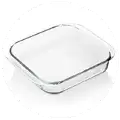
- Avoid overcrowding the baking dish to ensure even roasting.
Make-ahead & storage
- Prep pears and drizzle with olive oil ahead of time; store in the fridge.
- Reheat in the oven at a low temperature to maintain texture.
Common mistakes
- Using overripe pears → choose slightly under-ripe for better results.
- Baking too long → monitor closely to prevent mushy texture.
Serve with
- Quinoa or couscous for a nutty, hearty base that complements the sweetness of the pears.
- Mixed greens salad with a light vinaigrette to balance the rich flavors of the roasted pears.
- Creamy yogurt or mascarpone for a smooth contrast to the caramelized texture of the pears.
Toppings & textures
- Chopped walnuts or pecans for a crunchy element that adds depth to each bite.
- A sprinkle of lemon zest for a refreshing acidity that brightens the dish.
Occasions
- This recipe shines at dinner parties, holiday gatherings, or as a cozy weeknight dessert.
Substitutions
- If you lack fresh thyme, use dried thyme for a more concentrated flavor.
- For a vegan option, substitute honey with maple syrup for a similar sweetness.
Variations
- Try adding a splash of balsamic vinegar for a tangy twist that enhances the sweetness.
- Incorporate spices like cinnamon or nutmeg for a warm, aromatic flavor profile.
Refrigerate
- Allow pears to cool, then store in an airtight container to maintain freshness.
- Use within 3–4 days for the best flavor and texture.
Freeze
- Freezing not recommended as the texture may become mushy upon thawing.
Reheat
- Reheat in the oven at a low temperature until warmed through.
- Add a splash of water to maintain moisture and prevent drying out.
Repurpose ideas



- Organic Pears: Provides natural sweetness and a tender texture when roasted, enhancing the dish's overall flavor.
- Olive Oil: Adds richness and helps achieve a caramelized exterior for the pears.
- Salt: Enhances the natural flavors of the pears, balancing their sweetness.
- Fresh Thyme: Contributes a fragrant aroma and earthy notes that complement the sweetness of the pears.
- Honey: Drizzled on top, it adds an extra layer of sweetness and a glossy finish to the roasted pears.
Can pears be roasted?
Yes, you can roast pears as long as you pick pears that can hold their shape in the oven.
What pears are good for roasting?
Pears which are good for baking are those that can withstand the heat during baking, and not turn to mush. You want to use crispy pears such as Bosc, Anjou, Concorde, or French butter.
Are baked pears healthy?
Yes, they are. They're rich in vitamin C, which boosts the immune system, and they contain fiber which is good for the digestive system. They also contain potassium, which is vital for healthy blood pressure.
Will baking pears soften them?
Yes, baking pears softens them. In fact, pears that are very ripe will become quite soft when you bake them. So you want to use pears that are slightly under-ripe to prevent this from happening.
Time & Serves
Ingredients
3 Organic Pears (slightly under-ripe), halved, but not peeled or cored
1 tablespoon Olive Oil
Pinch Salt
1 sprig Fresh Thyme
2 tablespoons Honey, divided


Subscribe to our newsletter for the latest recipes, holiday specials, and mouthwatering secrets!
Subscribe
Add new comment