
 Last updated March 26th 2026

What Makes a Snack Diabetes-Friendly?
Snacks are developed with various visions which cater to specific tastes, textures, nutritional profiles etc. The best snacks for diabetics follow a simple principle: a balance of sugar, protein, fiber and fats.
A diabetes-friendly snack should include:
- Protein to slow digestion and reduce blood sugar spikes
- Fiber to improve glucose control
- Healthy fats to support satiety and metabolic health
For example, recipes like scrambled egg whites, pickle salad, air-fried ravioli, yogurt, nuts, lentil stew and fried chickpeas help regulate blood sugar because they digest slowly and prevent sharp glucose rises.
A useful rule: Pair carbohydrates with protein or fat to reduce their impact on blood sugar.
Best Snacks for Diabetics
- High-Protein, Low-Carb Snacks
These are among the best snacks for diabetics because they have minimal impact on blood sugar.
- Hard-boiled eggs
- Greek yogurt (unsweetened)
- Cottage cheese
- Kale Pomegranate Quinoa Salad
- Tuna salad
Protein helps you feel full and prevents spikes after eating, making these ideal snacks for type 2 diabetics.
- Fiber-Rich Snacks That Support Blood Sugar Control
Fiber slows digestion and helps maintain stable glucose levels.
- Veggies with hummus
- Roasted chickpeas
- Garbanzo salad
- Chia pudding
- Berries with yogurt
For instance, fiber-rich foods like berries and legumes can help stabilize blood sugar after meals.
- Healthy Fat Snacks That Help Stabilize Glucose
Healthy fats improve satiety and reduce blood sugar fluctuations.
- Almonds, walnuts, pistachios
- Avocado slices
- Apple with peanut butter
- Celery with nut butter
Nuts also support heart health and glucose metabolism, making them a strong regular option.
- Low Sugar and Sugar-Free Snacks for Diabetics
Low sugar snacks for diabetics help avoid unnecessary glucose spikes.
- Cheese with whole-grain crackers
- Edamame
- Homemade protein bars
- Air-popped popcorn (in moderation)
Be cautious with packaged “sugar-free snacks for diabetics.” These may still contain refined carbohydrates or sugar substitutes that affect blood sugar.
- Sweet Snacks for Diabetics (That Actually Work)
Sweet snacks can still be included when properly balanced.
- Greek yogurt with berries
- Chia seed pudding
- Homemade energy bites
- Dark chocolate with nuts (small portions)
Sweet snacks for diabetics should always combine fiber, protein, or fat to prevent rapid glucose increases.
Low Carb Snacks for Diabetics: What to Prioritize
Low-carb snacks for diabetics are especially useful for managing insulin resistance.
The best options include:
- Eggs
- Cheese
- Nuts and seeds
- Lean meats
- Avocado
These foods have minimal impact on blood sugar and help maintain consistent energy levels throughout the day.
When Should Diabetics Snack?
Snacking is not always necessary, but it can be helpful in certain situations:
- Long gaps between meals
- Preventing low blood sugar (especially if on medication)
- Supporting energy levels
The goal is intentional snacking, not constant grazing.
Common Mistakes When Choosing Snacks
Many people unintentionally choose snacks that raise blood sugar.
Common mistakes include:
- Eating large portions of “healthy” foods like trail mix
- Choosing granola bars high in sugar
- Drinking fruit-heavy smoothies without protein
- Skipping protein entirely
- Not checking labels
Even healthy snacks can raise blood sugar if portions are too large.
Diabetic Snack Ideas (Quick Homemade)
Here are simple combinations you can prepare quickly:
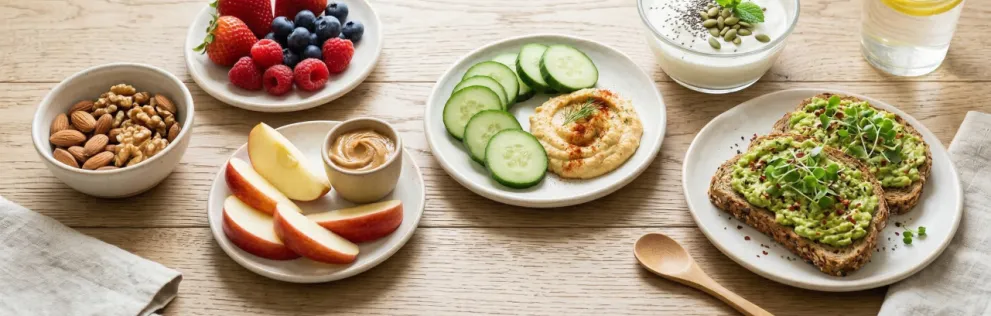
- Apple slices with peanut butter
- Greek yogurt with blueberries
- Veggies with hummus
- Cottage cheese with cucumber
- A handful of almonds
- Tuna salad with celery sticks
- Hard-boiled eggs with a pinch of salt
- Chia pudding with unsweetened milk
- Edamame with light seasoning
- Roasted chickpeas
These options align with widely recommended snack choices for diabetes management.
Store-Bought Snacks for Diabetics: What to Look For
Packaged snacks can be convenient, but require careful selection.
Check labels for:
- Added sugars (keep as low as possible)
- Fiber content (aim for at least 3g per serving)
- Protein content
- Ingredient quality (avoid refined flour and excess additives)
Better store-bought options include:
- Plain nuts or seeds
- Unsweetened yogurt
- High-fiber crackers
- Roasted legumes
Snacks for Diabetics Type 2: What Matters Most
For individuals with type 2 diabetes, the focus should be on managing insulin resistance.
Key priorities:
- Protein-rich snacks
- High-fiber foods
- Reduced refined carbohydrates
- Consistent eating patterns
Snacking strategically can help prevent overeating and stabilize energy levels throughout the day. There are multiple options, such as:
Expert Tips
- Build snacks, do not just grab them
- Combine protein, fiber, and fat whenever possible
- Keep portion sizes controlled
- Prep snacks in advance to avoid poor choices
- Stay hydrated, as thirst is often mistaken for hunger
FAQs
Are fruits good snacks for diabetics?
Yes, but they should be paired with protein or fat (such as nuts or yogurt) to reduce blood sugar spikes.
Can diabetics eat popcorn?
Yes, in moderation. Air-popped popcorn can be a better option when paired with protein.
What are the best bedtime snacks for diabetics?
Options like Greek yogurt, nuts, or a small portion of cottage cheese can help maintain stable overnight blood sugar.
Are sugar-free snacks always safe?
No. Some sugar-free snacks still contain carbohydrates or ingredients that affect blood sugar.
What snacks won’t spike blood sugar?
Snacks high in protein, fiber, and healthy fats—such as eggs, nuts, and vegetables with hummus—are less likely to cause spikes.
Conclusion
Snacking with diabetes is not about restriction, but about making informed choices. The best snacks for diabetics combine protein, fiber, and healthy fats to support stable blood sugar and long-term health. With the right approach, snacks can become a valuable part of managing diabetes rather than a challenge.
This article was written by Dr. Radhika Jain, food scientist and dietitian, and is intended to provide evidence-based guidance on choosing snacks that support blood sugar management. It covers practical strategies, nutritional principles, and recipe ideas to help make smarter snacking choices. This content is for educational purposes only and does not replace medical advice. Individual needs may vary based on health status, medications, and dietary requirements.
Related Reading
Add new comment