 Published:
Aug 28th 2023
by
Published:
Aug 28th 2023
by  Nutritionally reviewed by
 Last updated: Nov 2nd 2025

This Frozen Roast in Instant Pot recipe transforms a frozen chuck roast into a tender, flavorful dish with minimal effort. Utilizing the Instant Pot's pressure cooking method, the roast absorbs rich flavors from vegetables and spices, resulting in a hearty meal perfect for busy weeknights. Serve it with potatoes and carrots, all finished with a delicious gluten-free gravy for a comforting family dinner.
We collaborate with brands through sponsored recipes, editorial features, and video collaborations. If your brand wants to reach a health-focused audience, we’d love to explore how we can work together.
Explore brand collaborationsThis recipe offers incredible flavor and convenience, allowing you to cook a frozen roast without any thawing. The savory blend of herbs and vegetables creates a comforting meal in a fraction of the usual time, making it perfect for busy weeknights. Plus, it's freezer-friendly, ensuring you can enjoy a hearty dish whenever you need it.
Key nutrients
- Protein: from chuck roast — Supports muscle maintenance and helps keep you full.
- Potassium: from potatoes and carrots — Helps regulate fluid balance and nerve signals.
- Vitamin C: from red bell pepper — Contributes to immune support and collagen production.
- Fiber: from vegetables — Aids in digestion and promotes satiety.
- Iron: from beef — Important for healthy blood and energy levels.
Why it matters
- Protein and iron from beef may help support energy and strength.
- Vegetables add fiber, vitamins, and minerals for overall wellness.
- Balanced meals with protein, veggies, and carbs can help sustain energy.
Balance & portion
Aim for a balanced plate (vegetables, protein, smart carbs). Choose portions that fit your needs.
What to watch
- Sodium — Broth, Worcestershire sauce, and added salt can increase sodium content; use reduced-sodium options if needed.
- Saturated fat — Chuck roast is higher in saturated fat; trim visible fat if desired.
Make it even better
- Add extra carrots or bell peppers for more fiber and vitamins.
- Use low-sodium broth to help manage sodium intake.
- Trim excess fat from the roast before cooking to reduce saturated fat.
- Serve with a side salad for added greens and nutrients.
General nutrition information only; verify labels and consult a healthcare professional for personal advice.
References
- CDC — Salt - Cited for sodium awareness in recipes using broth and sauces.
- Beef. It's What's For Dinner — Nutrition - Used for beef's protein and iron content information.
- Harvard T.H. Chan School of Public Health — Vegetables & Fruits - Referenced for vegetable nutrient benefits.
Best fit
- Gluten Free: Uses cornstarch and no wheat-based ingredients.
- Mechanical Soft: Tender roast and cooked vegetables suit soft diet needs.
Use with caution / avoid
- Sodium: Broth, Worcestershire, and added salt may increase sodium; limit if watching intake.
- Low Fat: Chuck roast is higher in saturated fat; choose leaner cuts if needed.
Helpful modifications
- Use low-sodium broth and reduce added salt to lower sodium content.
- Trim visible fat from the roast or use a leaner cut for less saturated fat.
- Add extra non-starchy vegetables like green beans for more fiber and nutrients.
- Swap potatoes for cauliflower for a lower-carb option if desired.
Pair with: Steamed broccoli or a leafy green salad for added fiber and color.
General nutrition information only; verify labels and consult a healthcare professional for personal advice.
References
- EatRight.org - Is Sodium the Same Thing as Salt? - For general dietary modification tips and sodium guidance.
No major allergens detected based on the listed ingredients. Always check labels for hidden allergens in sauces or blends.
Notes are based on the listed ingredients; always verify brand labels and local regulations. Swaps may require adjusting cook time and steps; the original recipe isn’t tailored to substitutions.
References
- FDA — Food Allergens - For the official list of major food allergens in the US.
Clean
- Wash hands with soap and water before and after handling raw meat and vegetables.
- Clean cutting boards, utensils, and countertops after prepping ingredients.
- Rinse vegetables under running water before slicing.
Separate
- Keep raw beef separate from ready-to-eat foods and produce.
- Use separate cutting boards for meat and vegetables if possible.
Cook
- Ensure the roast reaches an internal temperature of at least 145°F for safe consumption.
- Use a food thermometer to check the thickest part of the meat.
- Do not open the Instant Pot until pressure has fully released.
Chill
- Refrigerate leftovers within 2 hours of cooking to prevent bacterial growth.
- Store cooked roast and vegetables in airtight containers in the fridge.
References
- USDA — Food Safety Basics - For proper handling, separation, and chilling practices.
- Cooking a frozen roast in an Instant Pot saves hours compared to traditional oven roasting.
- Pressure-cooking helps tough cuts like chuck roast become fork-tender and juicy.
- Potatoes and carrots absorb the rich flavors from the beef and broth during cooking.
- Smoked paprika adds a subtle smoky depth without needing a grill or smoker.
Name & origins
Pot roast is a classic comfort food in American cuisine, often featuring beef slow-cooked with vegetables.
Ingredient spotlight
- Chuck Roast: Known for its marbling, it becomes tender when cooked under pressure.
- Yukon Gold Potatoes: Creamy texture holds up well in stews and pressure-cooked dishes.
- Carrots: Add natural sweetness and color to the finished meal.
Technique tidbit
Pressure cooking breaks down collagen in meat faster, resulting in tenderness without lengthy braising.
Before you start
- Gather all ingredients and equipment for this recipe to streamline the process.
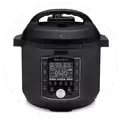
- Ensure your Instant Pot is clean and functioning properly before use.
- Use cold ingredients, especially the frozen roast, for best cooking results.
During cooking
- Check for a rich aroma as the roast cooks; it indicates flavor development.
- Look for a deep brown color on the roast when seasoning; it enhances flavor.
- Avoid opening the lid prematurely to maintain pressure and moisture.
- Do not overcrowd the pot; ensure vegetables have space to cook evenly.
Make-ahead & storage
- Prep vegetables and seasonings ahead, storing them in airtight containers.
- Reheat leftovers gently in the microwave or stovetop, adding broth to moisten.
Common mistakes
- Skipping natural pressure release → leads to tough meat; always allow resting time.
- Not deglazing the pot → can cause burning; always scrape up browned bits first.
Serve with
- Fluffy mashed potatoes or creamy polenta to soak up the gravy.
- A crisp green salad with a light vinaigrette for freshness.
- Rich gluten-free gravy drizzled generously over the roast.
Toppings & textures
- Fresh thyme or parsley for a burst of color and flavor.
- A dollop of horseradish sauce for a spicy kick if desired.
Occasions
- This recipe is perfect for busy weeknights or family gatherings.
Substitutions
- Beef Broth: Use vegetable broth for a lighter flavor or mushroom broth for umami depth.
- Worcestershire Sauce: Swap with soy sauce or tamari for a gluten-free option.
- Smoked Paprika: Replace with regular paprika for less smokiness or chipotle for added heat.
- Dried Oregano and Fresh Thyme: Use all dried herbs if fresh thyme is unavailable; reduce amount.
- Baby Yukon Gold Potatoes: Substitute with red potatoes or fingerling potatoes that hold shape well.
- Cornstarch: Use arrowroot powder or tapioca starch as gluten-free thickening options.
- Carrots: Swap with parsnips or turnips for a different sweetness and texture.
Variations
- Add mushrooms to the Instant Pot for an earthy flavor boost and added texture.
- Incorporate a splash of red wine or balsamic vinegar to enhance richness in this recipe.
- Use brisket or rump roast instead of chuck roast; adjust cooking time as needed.
- Add root vegetables like sweet potatoes for diverse flavors and colors in the dish.
- For a spicier version, increase chili powder or add cayenne pepper to the seasoning blend.
- Create a Mediterranean twist by adding olives and sun-dried tomatoes before cooking.
Refrigerate
- Allow the roast and veggies to cool before transferring to airtight containers.
- Consume refrigerated leftovers within 3 to 4 days for best quality.
Freeze
- Freezing not recommended; texture may change upon thawing.
Reheat
- Reheat in the microwave until steaming hot throughout.
- Add a splash of broth to keep the meat and vegetables moist.
Repurpose ideas
- Shred the roast for tacos or sandwiches for a quick meal.
- Use chopped roast and veggies in a hearty stew or soup.







- Frozen Chuck Roast: The main protein that becomes tender and flavorful when cooked in the Instant Pot.
- Onion: Adds sweetness and depth of flavor to the roast and cooking liquid.
- Red Bell Pepper: Provides a mild, sweet taste and enhances the overall flavor profile.
- Garlic: Infuses the dish with a rich, aromatic flavor.
- Beef Broth: Creates a savory base for cooking and helps keep the roast moist.
- Worcestershire Sauce: Adds a tangy, umami boost to deepen the flavor of the meat.
- Smoked Paprika: Gives a smoky, slightly sweet spice that complements the beef.
- Dried Oregano: Brings an earthy, herbal note to the seasoning mix.
- Fresh Thyme: Adds a fresh, aromatic herb flavor that pairs well with roast beef.
- Chili Powder: Provides mild heat and complexity to the seasoning blend.
- Kosher Salt: Enhances all the flavors and helps tenderize the meat.
- Black Pepper: Adds a subtle heat and sharpness to balance the dish.
- Carrots: Contribute natural sweetness and texture as a classic side vegetable.
- Baby Yukon Gold Potatoes: Offer creamy texture and absorb flavors from the cooking liquid.
- Cornstarch: Used to thicken the cooking juices into a smooth, rich gravy.
- Cold Water: Mixed with cornstarch to create a slurry for thickening the gravy evenly.
Can I put frozen roast in Instant Pot?
Yes, you can cook a frozen roast in an instant. It will take a few minutes longer to cook, but it will still be as delicious as if it were thawed.
How long do I cook frozen roast in Instant Pot?
It takes about 90 minutes to cook a frozen roast in an instant pot.
Is it safe to cook a frozen roast in a slow cooker?
Even though you can cook a frozen roast in a slow cooker, it's not the safest option. Perishable foods like meat can only be left in the danger zone (40 °F – 140 °F) for 4 hours. Bacteria multiply rapidly within the danger zone, which ultimately increases the chance that you will end up with food poisoning. Since the roast is frozen, it can take up to 50% longer to cook, meaning it will not have an internal temperature above 140 °F within 4 hours. Therefore, cooking a frozen roast in a slow cooker is not safe.
What temperature do you cook a frozen roast beef?
It's best to cook frozen roast beef at 375 °F. Ensure you cover the roast meat so that it can steam and cook evenly.
Time & Serves
Ingredients
1 Onion, sliced into 1/4-inch pieces
1 medium Red Bell Pepper, seeds, removed, sliced into 1/4-inch pieces
2 cloves Garlic, chopped
1 cup Broth Beef
3 lb. Frozen Chuck Roast
1 tablespoon Worcestershire Sauce
1 teaspoon Smoked Paprika
1/2 teaspoon Dried Oregano
1 tablespoon Fresh Thyme
1 teaspoon Chili Powder
1 1/2 teaspoons Kosher Salt
1/2 teaspoon Black Pepper
2 medium Carrots, peeled, halved, cut into two -inch pieces
1 lb. Baby Yukon Gold Potatoes, halved
3 tablespoons Cold Water
1 1/2 tablespoons Cornstarch
Instructions
Place the onion, red bell pepper, and garlic (aromatic vegetables) into the bottom of the instant pot.

Add the beef broth and Worcestershire sauce and place the beef.

Whisk the smoked paprika, dried oregano, fresh thyme, chili powder, 1 teaspoon of kosher salt, and black pepper in a small bowl.

Sprinkle seasoning over the roast, then cover the instant pot with the lid.

Turn the valve to sealing, select manual pressure, and set it for 90 minutes.

Set the valve to vent and let the pressure release naturally for 15 minutes.

Remove the beef roast from the instant pot, place it onto a cutting board, and let it rest for 10 minutes.

Meanwhile, place the carrots and baby Yukon gold potatoes (root vegetables) in the instant pot. Cover it with the lid, set the valve to sealing, select manual pressure, and cook it for 5 minutes.

Set the valve to vent and let the pressure release naturally.

Slice or shred the beef roast if desired, place it in the center of a serving dish and sprinkle the remaining salt over the meat. Place the potatoes and carrots around the beef roast.

To make the gravy, place a fine-mesh sieve over a large bowl and pour the liquid from the instant pot into the bowl. Discard the onions, bell pepper, and garlic.

Place the liquid back into the instant pot, select the sauté function, and let it simmer.

Next, whisk the water and cornstarch in a small bowl to make a cornstarch slurry. Whisk the cornstarch slurry into the juices until there are no lumps.

Cook the gravy for 3–5 minutes until it thickens. Select cancel, then pour the gravy into a gravy boat and serve it with the frozen roast.


Subscribe to our newsletter for the latest recipes, holiday specials, and mouthwatering secrets!
Subscribe
This recipe confuses me. If…
This recipe confuses me. If I’m reading the recipe correctly, I’m placing the roast on top of the vegetables and cooking. Then lower it says add the vegetables to pot and cook 5 minutes. What?